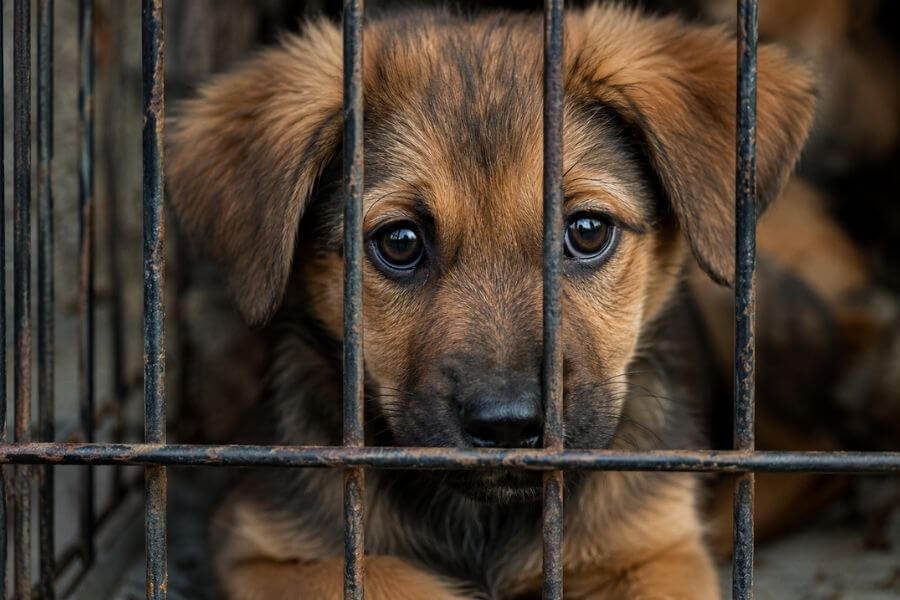
Bringing home a new pet is exciting. Whether you are looking for a puppy, kitten, rabbit, bird, or another companion animal, choosing the right breeder is one of the most important decisions you can make. A responsible breeder helps ensure your future pet is healthy, well-socialized, and raised in a safe environment.
Unfortunately, not all breeders follow ethical practices. Some prioritize profits over animal welfare, while others may hide health problems, poor living conditions, or dishonest breeding practices. If you are not careful, you could end up with a pet that faces serious health and behavioral challenges.
Knowing the warning signs before making a purchase can save you money, stress, and heartbreak. In this guide, you will learn the biggest red flags to watch for when buying a pet from a breeder so you can make a smart and informed decision.
Quick Summary Table 📋
| Red Flag | Why It’s a Problem |
|---|---|
| Refuses to let you visit | May be hiding poor conditions |
| No health testing records | Higher risk of inherited diseases |
| Multiple litters always available | Possible large-scale breeding operation |
| Wants to sell immediately | Prioritizes sales over pet welfare |
| Poor living conditions | Can affect health and socialization |
| No questions for buyers | Doesn’t care where pets go |
| Missing paperwork | Difficult to verify health and history |
| Extremely low prices | May indicate corner-cutting |
| Sick or fearful animals | Signs of neglect or poor care |
| No support after purchase | Lack of responsibility for the animals |
How We Ranked These Red Flags 🔍
We ranked these warning signs based on factors that directly affect a pet’s health, well-being, and long-term quality of life.
Key factors included:
- Risk of inherited health problems
- Animal welfare concerns
- Impact on pet behavior and temperament
- Likelihood of unethical breeding practices
- Financial risks for buyers
- Long-term veterinary costs
- Transparency and honesty of the breeder
- Quality of care provided to breeding animals
- Importance according to animal welfare organizations
- Potential consequences for pet owners
1. The Breeder Refuses to Let You Visit 🚪
One of the biggest warning signs is when a breeder refuses to let you see where the animals are raised.
Responsible breeders are usually proud of their facilities and want potential buyers to see the environment. They understand that buyers want reassurance that the animals are healthy and well cared for.
If a breeder only offers to meet in parking lots, public places, or insists on shipping the animal without any visit, you should be cautious.
While there can occasionally be legitimate reasons for limiting visits, such as disease prevention measures, reputable breeders will typically provide detailed photos, videos, live virtual tours, or other ways to verify conditions.
A breeder who consistently avoids showing you the living environment may be hiding overcrowding, unsanitary conditions, or neglected animals.
2. No Health Testing or Medical Records 🩺
Good breeders invest heavily in the health of their breeding animals.
Many breeds are prone to specific inherited conditions. Responsible breeders perform health screenings and genetic testing to reduce the chances of passing these issues to future generations.
If a breeder cannot provide:
- Veterinary records
- Vaccination records
- Genetic testing results
- Health certificates
- Screening documentation
you should consider it a major red flag.
Without proper testing, you may unknowingly bring home a pet with serious medical issues that could lead to expensive treatments and emotional stress later.
3. They Always Have Multiple Litters Available 🐶
A breeder who always seems to have puppies, kittens, or other young animals available may be operating more like a business than a responsible breeding program.
Ethical breeders carefully plan litters and often have waiting lists because they focus on quality rather than quantity.
When dozens of animals are constantly available, it may indicate:
- Overbreeding
- Poor care standards
- Insufficient socialization
- Lack of individual attention
Animals raised in large-scale breeding environments often miss important developmental experiences that help them become confident and well-adjusted companions.
4. They Pressure You to Buy Quickly ⏰
A trustworthy breeder understands that purchasing a pet is a major commitment.
You should never feel rushed into making a decision.
Be cautious if a breeder says things like:
- “You must buy today.”
- “Several people are waiting.”
- “The price goes up tomorrow.”
- “You don’t need time to think about it.”
High-pressure sales tactics are common among sellers who prioritize fast transactions over finding suitable homes.
A responsible breeder wants both you and the pet to be a good match. They will usually encourage questions and allow you time to make an informed choice.
5. The Animals Live in Poor Conditions 🧹
The environment where a pet is raised tells you a lot about the quality of care it receives.
When visiting a breeder or viewing photos and videos, pay attention to:
- Cleanliness
- Space available
- Fresh water access
- Proper shelter
- Safe surroundings
- Animal behavior
Dirty cages, strong odors, overcrowding, and obvious neglect are serious warning signs.
Animals raised in poor conditions can suffer from health issues, stress, and developmental problems that may follow them throughout their lives.
A clean and well-maintained environment reflects a breeder’s commitment to animal welfare.
6. The Breeder Doesn’t Ask You Any Questions 🤔
Many first-time buyers are surprised when a good breeder asks lots of questions.
Responsible breeders often want to know:
- Your experience with pets
- Your living situation
- Your work schedule
- Your family members
- Your plans for the pet
This is because they care about where their animals go.
If a breeder seems willing to sell to absolutely anyone with money, that should concern you.
The best breeders view themselves as guardians of the animals they produce and want to ensure each pet goes to a loving and suitable home.
7. Important Paperwork Is Missing 📄
Documentation plays a critical role when purchasing a pet.
A reputable breeder should provide appropriate records that may include:
- Vaccination history
- Veterinary examinations
- Registration papers if applicable
- Health guarantees
- Feeding information
- Care instructions
A breeder who avoids paperwork or makes excuses for missing records may not be operating professionally.
Proper documentation helps establish transparency and gives you important information about your pet’s background and health.
Always review paperwork carefully before completing any purchase.
8. The Price Seems Too Good to Be True 💰
Everyone likes finding a good deal, but unusually low prices can be a warning sign.
Responsible breeding is expensive. Costs often include:
- Veterinary care
- Health testing
- Quality food
- Vaccinations
- Proper housing
- Socialization efforts
When a breeder offers prices far below market averages, you should ask why.
Sometimes, low prices indicate corners were cut in important areas such as healthcare, nutrition, or living conditions.
While price alone should never determine quality, extremely cheap animals deserve extra scrutiny.
9. The Animals Look Sick, Fearful, or Neglected 😟
Always pay close attention to the animals themselves.
Healthy animals generally appear:
- Alert
- Curious
- Active
- Clean
- Comfortable around people
Warning signs may include:
- Runny eyes
- Persistent coughing
- Hair loss
- Extreme fearfulness
- Aggression
- Visible injuries
- Poor body condition
While some animals may naturally be shy, widespread signs of illness or fear throughout the group often point to larger problems within the breeding operation.
Trust your instincts. If something feels wrong, it probably deserves further investigation.
10. No Support After the Sale 🤝
The relationship with a responsible breeder does not end once you take the pet home.
Many reputable breeders remain available to answer questions and offer guidance throughout the animal’s life.
They often provide help with:
- Feeding
- Training
- Health concerns
- Behavioral issues
- Transitioning to a new home
Some even require that the animal be returned to them if the owner can no longer provide care.
If a breeder disappears after receiving payment or shows no interest in future support, that can indicate a lack of responsibility and commitment.
The best breeders genuinely care about every animal they produce.
Conclusion ❤️
Buying a pet is a long-term commitment, and choosing the right breeder can make a huge difference in your experience as a pet owner. While it can be tempting to focus on appearance, availability, or price, taking the time to evaluate a breeder carefully is one of the smartest things you can do.
Watch for warning signs such as poor living conditions, missing health records, pressure to buy quickly, and breeders who seem more interested in making a sale than finding the right home. Responsible breeders are transparent, knowledgeable, and deeply invested in the well-being of their animals.
By recognizing these red flags early, you can avoid many common problems and increase your chances of bringing home a healthy, happy companion that will be part of your family for years to come.
Frequently Asked Questions ❓
How far in advance should I reserve a pet from a reputable breeder?
Many reputable breeders have waiting lists that can range from several weeks to over a year, depending on the breed and demand. Long waiting lists are often a positive sign because they suggest the breeder focuses on quality rather than producing large numbers of animals.
Is it normal for breeders to require a contract?
Yes. Many responsible breeders use contracts that outline responsibilities for both the buyer and breeder. These agreements often cover health guarantees, return policies, and care expectations.
Should I avoid breeders who ship pets?
Not necessarily. Many ethical breeders safely transport pets to buyers. However, they should still provide health records, communicate openly, and allow you to verify the animal’s living conditions before the sale.
What should I do if I suspect a breeder is operating unethically?
You should avoid purchasing from them and consider reporting serious animal welfare concerns to the appropriate local authorities or animal welfare organizations. Supporting unethical breeders can encourage poor practices to continue.
Can a reputable breeder ever have a sick animal?
Yes. Just like people, animals can occasionally become ill despite receiving excellent care. The difference is that responsible breeders are honest about health issues, seek veterinary treatment promptly, and provide complete medical information to buyers.