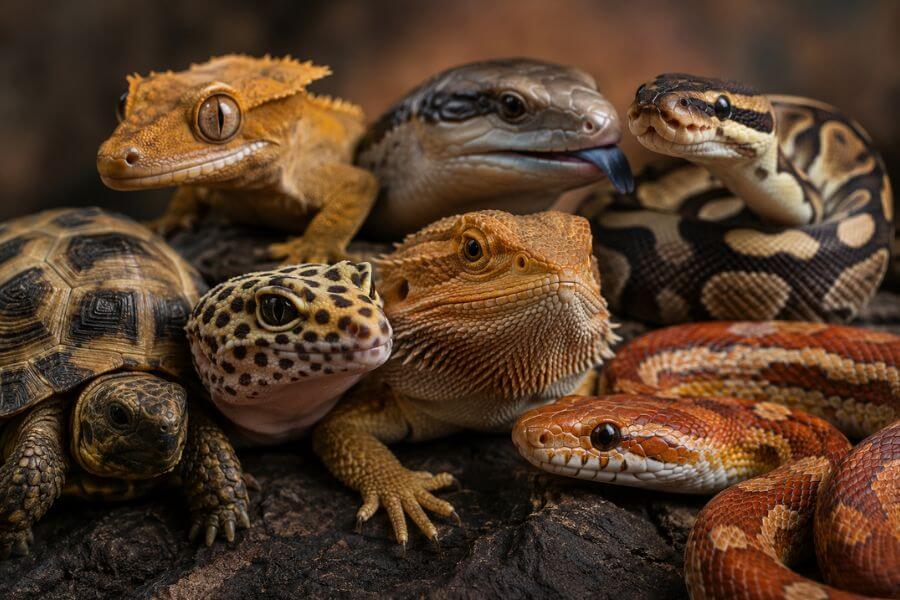
If you have ever thought about owning a reptile, you are not alone. Reptiles are becoming more popular every year because they are quiet, fascinating to watch, and often easier to care for than many traditional pets. Unlike dogs or cats, most reptiles do not need constant attention, which makes them a great choice if you want a calm and low-maintenance companion.
Still, not every reptile is beginner-friendly. Some need very specific temperatures, large enclosures, or advanced care. That is why choosing the right species matters so much when you are just starting out.
In this guide, you will discover the 10 most popular reptiles kept as pets for beginners. These reptiles are known for their manageable care needs, friendly behavior, and popularity among first-time reptile owners. Whether you want a lizard, snake, or turtle, there is likely a perfect reptile here for you.
Quick Summary Table 🐢
| Reptile | Lifespan | Temperament | Ease of Care | Best For |
|---|---|---|---|---|
| Leopard Gecko | 15 to 20 years | Gentle and calm | Very easy | First time reptile owners |
| Bearded Dragon | 10 to 15 years | Friendly and social | Easy | Families and beginners |
| Corn Snake | 15 to 20 years | Calm and curious | Easy | Beginner snake keepers |
| Crested Gecko | 10 to 20 years | Relaxed and quiet | Very easy | Small spaces |
| Ball Python | 20 to 30 years | Shy and docile | Moderate | Patient beginners |
| Russian Tortoise | 40+ years | Calm and hardy | Moderate | Long term pet owners |
| Blue Tongue Skink | 15 to 20 years | Friendly and curious | Easy | People wanting a larger lizard |
| Kenyan Sand Boa | 15 to 20 years | Gentle and slow moving | Easy | New snake owners |
| African Fat Tailed Gecko | 15 to 20 years | Calm and shy | Easy | Gecko lovers |
| Painted Turtle | 20 to 30 years | Active and interesting | Moderate | Aquatic reptile fans |
How We Ranked These Reptiles ⭐
We used several important factors to rank the best reptiles for beginners:
- Easy feeding requirements
- Simple habitat setup
- Friendly or calm personality
- Lower maintenance needs
- Availability in pet stores and breeder communities
- Reasonable enclosure size
- Beginner-friendly handling
- Hardiness and overall health
- Affordable care costs
- Popularity among reptile owners
1. Leopard Gecko 🐾
Leopard geckos are often considered the perfect beginner reptile, and for good reason. These small lizards are calm, easy to handle, and do not require complicated care routines. Their spotted patterns and bright eyes also make them very attractive pets.
One reason beginners love leopard geckos is their simple habitat needs. They do not need intense humidity or giant tanks. A properly heated enclosure with hiding spots and clean substrate is usually enough to keep them happy.
Leopard geckos are insect eaters, which means you will feed them crickets, mealworms, and other feeder insects. They are usually excellent eaters and adapt well to regular feeding schedules.
Another huge advantage is their temperament. Most leopard geckos tolerate handling very well and rarely show aggression. If you want a reptile you can safely interact with, this species is a fantastic choice.
2. Bearded Dragon 🔥
Bearded dragons are one of the most popular pet reptiles in the world. They are famous for their friendly nature and entertaining personalities. Many owners say their bearded dragon acts almost like a tiny dog.
These reptiles are active during the day, so you can enjoy watching them explore, bask, and interact with their environment. They often recognize their owners and may even enjoy sitting on your shoulder.
Bearded dragons eat both insects and vegetables. Their diet is more varied than that of some reptiles, but many beginners find this enjoyable rather than difficult. Fresh greens, crickets, and roaches are common food choices.
While they need UVB lighting and a proper basking area, their care is still manageable for most first-time owners. With the right setup, bearded dragons are hardy and rewarding pets.
3. Corn Snake 🌽
If you are interested in owning a snake, the corn snake is one of the best beginner options available. These snakes are calm, easy to handle, and generally very forgiving when it comes to care mistakes.
Corn snakes stay at a manageable size and come in many beautiful color patterns. They are also excellent escape artists, so a secure enclosure is extremely important.
Feeding is simple because corn snakes usually eat frozen, thawed mice without problems. They typically eat once every week or two, depending on age and size.
One thing beginners appreciate is their calm temperament. Corn snakes rarely bite and usually become comfortable with gentle handling over time.
4. Crested Gecko 🌿
Crested geckos are perfect if you want a reptile that does not need insects every day. Unlike many lizards, they can thrive on specially prepared gecko diets along with occasional insects and fruit treats.
These geckos are known for their cute appearance, especially their large eyes and soft crests above the head. They are also excellent climbers and enjoy vertical enclosures with branches and plants.
Another reason they are beginner-friendly is that their humidity needs are easier to manage than those of many tropical reptiles. Regular misting and proper ventilation usually work well.
Crested geckos are gentle and rarely aggressive. However, they can be jumpy, so careful handling is important.
5. Ball Python 🐍
Ball pythons are one of the most popular pet snakes because of their calm and shy personality. They earned their name from their habit of curling into a tight ball when nervous.
These snakes come in hundreds of beautiful morphs, which are unique color and pattern variations. This variety makes them especially attractive to reptile enthusiasts.
Ball pythons need slightly more humidity control than corn snakes, but many beginners still succeed with them. A warm enclosure with hiding spots helps them feel safe and secure.
One challenge is that ball pythons can sometimes refuse food for periods of time. This behavior can worry new owners, but it is fairly common and often harmless when the snake is healthy.
6. Russian Tortoise 🏜️
Russian tortoises are one of the best beginner tortoise species because they stay relatively small and are quite hardy. These tortoises have charming personalities and often learn to recognize feeding time.
They need a diet mostly made of leafy greens and vegetables. Unlike many reptiles, they do not need insects or rodents.
Russian tortoises enjoy digging and exploring, so a spacious enclosure with proper substrate is important. They also benefit from UVB lighting and outdoor time in safe weather conditions.
One thing to consider is lifespan. These tortoises can live for decades, so owning one is a very long-term commitment.
7. Blue Tongue Skink 💙
Blue tongue skinks are large, sturdy lizards famous for their bright blue tongues. They are curious, intelligent, and often surprisingly calm around humans.
These reptiles are great for beginners who want a larger reptile without the challenges of more demanding species. They adapt well to handling and are usually very food-motivated.
Blue tongue skinks eat a mixed diet that includes vegetables, fruits, insects, and protein sources. Their varied diet keeps feeding interesting for owners.
Because they are bigger than geckos, they need a larger enclosure. Still, their overall care is straightforward once the habitat is properly set up.
8. Kenyan Sand Boa 🏖️
Kenyan sand boas are excellent beginner snakes because they stay small, move slowly, and have gentle personalities. They spend much of their time burrowing under the substrate.
These snakes have thick bodies and unique patterns that many owners find adorable. Their smaller size also makes them easier to house than larger snake species.
Feeding is simple because they usually accept frozen, thawed rodents consistently. They also tend to have calm feeding responses compared to some larger snakes.
Because they love burrowing, you may not see them constantly. However, many beginners enjoy the surprise of spotting their sand boa peeking out from the substrate.
9. African Fat Tailed Gecko 🌙
African fat-tailed geckos are closely related to leopard geckos and share many beginner-friendly qualities. They are calm, hardy, and relatively easy to care for.
These geckos have thicker tails and softer colors compared to leopard geckos. Their quiet personality makes them ideal for owners who prefer a relaxed reptile.
They need slightly higher humidity than leopard geckos, but their care remains manageable for beginners. Proper heating and hiding spaces are essential.
African fat-tailed geckos are usually slow-moving and tolerant of gentle handling, making them excellent starter pets.
10. Painted Turtle 🌊
Painted turtles are colorful aquatic reptiles known for their bright markings and active swimming behavior. They can be fun to watch and are popular among beginner turtle keepers.
These turtles require both water and dry basking areas. A strong filter is necessary because turtles can create a lot of waste in the water.
Painted turtles eat pellets, insects, and some vegetables. Their diet is fairly easy to manage once you establish a routine.
While they are not the best reptiles for frequent handling, they are excellent display pets that bring life and movement to a room.
Conclusion 🎯
Choosing your first reptile can feel overwhelming, but the right beginner species makes the experience much easier and more enjoyable. The reptiles on this list are popular for good reasons. They are generally hardy, manageable, and rewarding to care for.
Before bringing any reptile home, make sure you fully understand its housing, heating, lighting, and dietary needs. Even beginner reptiles still require proper care and commitment.
Whether you choose a friendly bearded dragon, a calm corn snake, or an adorable leopard gecko, owning a reptile can become a fascinating and long-lasting hobby that teaches patience and responsibility.
Frequently Asked Questions ❓
What is the easiest reptile for a complete beginner?
Many reptile owners consider the leopard gecko the easiest beginner reptile. They are calm, simple to feed, and do not require advanced humidity control.
Do reptiles bond with their owners?
Reptiles do not bond the same way dogs or cats do, but many can recognize routines and become comfortable around their owners over time.
Are reptiles expensive to keep?
The initial setup can cost a fair amount because you need proper heating, lighting, and an enclosure. After setup, many beginner reptiles are reasonably affordable to maintain.
Which beginner reptile likes handling the most?
Bearded dragons are often considered one of the most social and handleable reptiles for beginners. Many tolerate human interaction very well.
Do beginner reptiles smell bad?
Most reptiles do not smell bad when their enclosure is cleaned regularly. Good hygiene and proper tank maintenance help keep odors minimal.