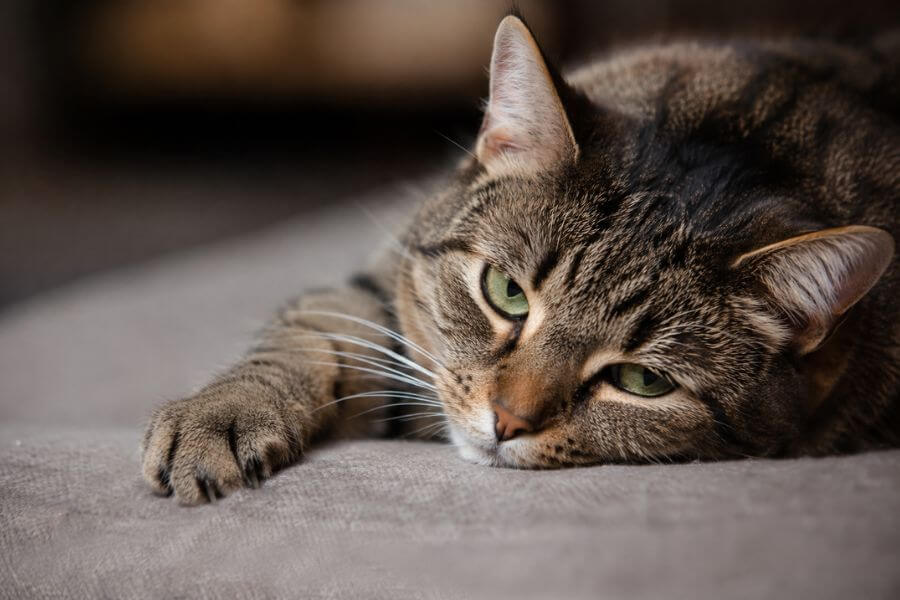
Cats are very good at hiding pain and illness. In the wild, showing weakness could make them an easy target, so many cats naturally try to act normal even when something feels wrong. That is why small behavior changes can sometimes be the first warning sign that your cat is sick.
As a cat owner, you know your pet better than anyone else. If your cat suddenly starts acting differently, eating less, hiding more, or skipping the litter box, it may be more than just a bad mood. Paying attention early can help you catch health problems before they become serious.
In this guide, you will learn the biggest signs that your cat may actually be sick, what these symptoms can mean, and when it is time to call the vet.
Quick Summary Table 📋
| Sign | Possible Cause | How Serious It Can Be |
|---|---|---|
| Loss of appetite | Dental issues, infection, kidney disease | High |
| Hiding more often | Pain, stress, illness | Medium to High |
| Vomiting frequently | Hairballs, poisoning, digestive illness | Medium to High |
| Weight loss | Diabetes, cancer, thyroid disease | High |
| Changes in litter box habits | Urinary issues, kidney problems | High |
| Low energy | Fever, infection, chronic disease | Medium to High |
| Bad breath | Dental disease, kidney disease | Medium |
| Breathing problems | Asthma, heart disease, infection | Very High |
| Excessive grooming or no grooming | Stress, pain, skin problems | Medium |
| Sudden aggression or behavior changes | Pain, neurological issues | Medium to High |
How We Ranked These Signs 🔍
We ranked these warning signs based on several important factors:
- How commonly the symptom appears in sick cats
- How serious the possible illness could be
- How quickly the symptom may worsen
- How easy the sign is for owners to notice
- Whether the symptom needs emergency care
- How strongly vets connect the symptom to illness
- How often the sign appears before other symptoms
1. Loss of Appetite 🍽️
One of the clearest signs that your cat may be sick is a sudden loss of appetite. Cats usually enjoy routine, especially when it comes to food. If your cat suddenly ignores meals or eats much less than normal, you should pay attention.
A cat may stop eating because of:
- Tooth pain
- Upset stomach
- Kidney disease
- Liver problems
- Infection
- Stress or anxiety
Unlike some animals, cats should not go long without eating. Not eating for even one or two days can become dangerous and may lead to serious liver problems.
You should especially worry if your cat also has:
- Vomiting
- Weight loss
- Drooling
- Weakness
- Hiding behavior
If your cat refuses food for more than 24 hours, contact your vet.
2. Hiding More Than Usual 🛋️
Cats love quiet places, but a sick cat often hides much more than normal. If your social or playful cat suddenly spends most of the day under the bed or inside closets, something could be wrong.
Cats hide when they:
- Feel pain
- Have a fever
- Feel weak
- Are scared or stressed
- Want to avoid interaction
This behavior is especially common in older cats. Sometimes, hiding is the very first sign of illness before physical symptoms appear.
Pay attention to how long the behavior lasts. A single quiet afternoon is not always a problem, but several days of hiding deserves attention.
3. Frequent Vomiting 🤢
An occasional hairball is common, but repeated vomiting is not normal. Many cat owners mistakenly think vomiting often is just part of cat life, but it can actually signal serious illness.
Frequent vomiting may be linked to:
- Digestive problems
- Food allergies
- Intestinal blockage
- Poisoning
- Kidney disease
- Parasites
You should be especially concerned if your cat vomits:
- Multiple times in one day
- Blood
- Foam regularly
- After every meal
Watch for dehydration too. Sick cats can lose fluids quickly, especially if vomiting comes with diarrhea.
4. Unexplained Weight Loss ⚖️
If your cat is losing weight without dieting, there may be an underlying health issue. Sometimes weight loss happens slowly, making it harder to notice right away.
Common causes include:
- Hyperthyroidism
- Diabetes
- Cancer
- Kidney disease
- Digestive disorders
You may notice:
- A thinner face
- Visible ribs or spine
- Loose skin
- Less muscle around the legs
Even if your cat still eats normally, unexplained weight loss should always be checked by a vet.
5. Changes in Litter Box Habits 🚽
Your cat’s litter box can reveal a lot about their health. Sudden changes should never be ignored.
Warning signs include:
- Urinating outside the litter box
- Blood in urine
- Diarrhea
- Constipation
- Straining to pee
- Going more or less often than usual
Urinary problems are especially dangerous in male cats because blockages can become life-threatening very quickly.
Call a vet immediately if your cat:
- Cries while urinating
- Cannot pee
- Visits the litter box repeatedly with little output
- Has a swollen belly
These symptoms may be a medical emergency.
6. Low Energy or Extreme Sleeping 😴
Cats sleep a lot, but sick cats often seem unusually tired or weak. If your cat suddenly stops playing, avoids jumping, or sleeps all day without interest in normal activities, illness may be the reason.
Low energy may be connected to:
- Infection
- Fever
- Heart disease
- Arthritis
- Anemia
- Chronic illness
You know your cat’s normal personality. If your energetic cat suddenly acts lazy for several days, trust your instincts.
Watch for other signs like:
- Weak walking
- Lack of grooming
- Reduced appetite
- Hiding
7. Bad Breath 😷
Cat breath may not smell perfect, but extremely bad breath is not normal. A strong odor can point to serious health problems.
Bad breath is often caused by:
- Gum disease
- Tooth infection
- Kidney disease
- Diabetes
Dental disease is very common in cats, especially older ones. If ignored, it can cause pain, tooth loss, and infections that spread through the body.
You may also notice:
- Drooling
- Trouble chewing
- Pawing at the mouth
- Red gums
Regular dental care and vet checkups help prevent these issues.
8. Breathing Problems 🌬️
Breathing issues should always be taken seriously. Cats are very good at hiding discomfort, so visible breathing problems often mean something important is wrong.
Emergency warning signs include:
- Open mouth breathing
- Wheezing
- Fast breathing
- Blue gums
- Heavy panting without exercise
Possible causes include:
- Asthma
- Heart disease
- Lung infection
- Fluid buildup
- Allergic reaction
If your cat struggles to breathe, contact an emergency vet immediately.
9. Grooming Changes 🧼
Cats are naturally clean animals. Major changes in grooming habits can be a strong clue that your cat is sick or stressed.
Overgrooming may cause:
- Bald spots
- Red skin
- Irritated patches
This can happen because of:
- Anxiety
- Allergies
- Fleas
- Skin infections
On the other hand, a cat that stops grooming completely may be dealing with:
- Pain
- Obesity
- Arthritis
- Illness
- Depression
A messy or greasy coat is often a warning sign that something is wrong.
10. Sudden Aggression or Personality Changes 😾
Pain can completely change a cat’s behavior. A sweet cat may suddenly hiss, scratch, or avoid touch if they are hurting.
Behavior changes may include:
- Aggression
- Confusion
- Increased vocalization
- Fearfulness
- Clinginess
- Restlessness
Sometimes these symptoms come from:
- Injury
- Arthritis
- Neurological conditions
- Dementia in older cats
- Severe stress
Never punish a cat for sudden aggression without first considering possible medical causes.
Conclusion ❤️
Cats cannot tell you when they feel sick, so their behavior becomes their language. Small changes in eating, grooming, litter box habits, or energy levels can reveal health problems long before they become severe.
The earlier you notice these warning signs, the better the chances of successful treatment. Trust your instincts if something feels different about your cat. You do not need to wait until symptoms become extreme before calling a vet.
A healthy cat is usually active, alert, clean, and interested in food and routine. When those habits suddenly change, it is worth taking seriously.
Frequently Asked Questions ❓
How do cats act when they are in pain?
Cats in pain often hide, avoid touch, stop grooming, sleep more, or become aggressive. Some cats may also stop eating or use the litter box less often.
Is it normal for cats to throw up hairballs often?
Occasional hairballs can be normal, but frequent vomiting is not. If your cat vomits regularly, it could point to digestive illness or another medical issue.
When should I take my cat to the emergency vet?
You should seek emergency care if your cat has trouble breathing, cannot urinate, collapses, has seizures, or refuses food for more than a day.
Why is my cat suddenly sleeping all day?
Extra sleeping can happen because of illness, pain, infection, stress, or aging. If the behavior is sudden or comes with other symptoms, contact your vet.
Can stress make a cat look sick?
Yes. Stress can cause appetite loss, overgrooming, hiding, litter box problems, and behavior changes. However, medical problems can cause similar symptoms, so a vet visit is still important.