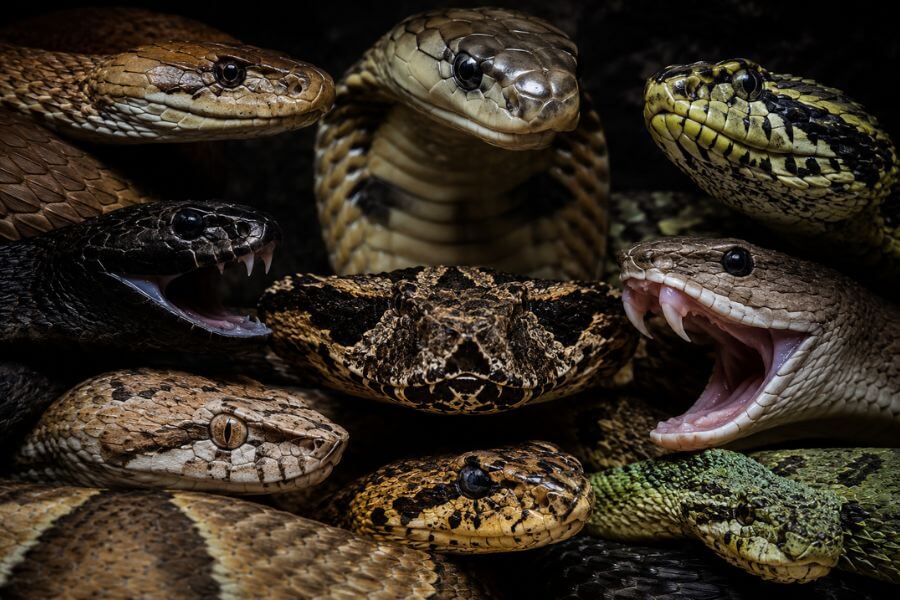
Keeping snakes as pets has become increasingly popular, especially among experienced reptile enthusiasts. While most pet snakes are non-venomous, a small group of dedicated keepers chooses to care for venomous species. These snakes are often admired for their beauty, unique behaviors, and rarity rather than their danger.
It is important to understand that venomous snakes are not suitable for beginners. Many require specialized permits, secure enclosures, advanced handling knowledge, and emergency safety plans. In some places, owning these animals is heavily regulated or completely prohibited.
In this guide, you will discover ten of the most venomous snakes that people actually keep as pets, along with what makes them fascinating and why experienced keepers are drawn to them.
Quick Summary Table 📊
| Rank | Snake | Native Region | Venom Strength | Common Among Venomous Keepers |
|---|---|---|---|---|
| 1 | Inland Taipan | Australia | Extremely High | Rare |
| 2 | Black Mamba | Africa | Extremely High | Very Rare |
| 3 | King Cobra | Asia | Extremely High | Rare |
| 4 | Eastern Brown Snake | Australia | Extremely High | Very Rare |
| 5 | Gaboon Viper | Africa | High | Moderately Common |
| 6 | Bushmaster | Central & South America | High | Rare |
| 7 | Monocled Cobra | Asia | High | Common |
| 8 | Rattlesnake Species | North America | Moderate to High | Common |
| 9 | Copperhead | North America | Moderate | Relatively Common |
| 10 | Mangshan Pit Viper | China | Moderate to High | Rare |
How We Ranked These Snakes 🔍
We ranked these snakes using several important factors:
- Overall venom potency
- Potential danger to humans
- Frequency among legal venomous snake keepers
- Popularity within reptile collections
- Unique appearance and behavior
- Availability in captive breeding programs
- Difficulty of care and enclosure requirements
- Reputation within the venomous reptile community
1. Inland Taipan 🏆
The Inland Taipan is often considered the most venomous snake in the world. Native to Australia’s remote interior regions, this species possesses venom so potent that a single bite can theoretically kill multiple adult humans.
Despite its reputation, the Inland Taipan is generally shy and avoids confrontation whenever possible. This calm temperament is one reason a small number of highly experienced keepers choose to work with them.
The snake has a sleek appearance with seasonal color changes ranging from light brown to darker shades. It is relatively fast and highly alert, making secure housing essential.
What attracts keepers most is the combination of unmatched venom potency and surprisingly calm behavior. However, due to its extreme danger, it remains one of the rarest pet venomous snakes in private collections.
2. Black Mamba ⚡
The Black Mamba is one of the most feared snakes on Earth. Found throughout parts of Africa, it is famous for its speed, intelligence, and powerful neurotoxic venom.
This species can move remarkably fast and often reacts quickly to perceived threats. Unlike many vipers that rely on ambush tactics, Black Mambas are active hunters that patrol large territories in the wild.
Experienced keepers admire their elegant appearance, long slender bodies, and highly alert nature. Their gray to olive coloration may seem simple, but their athletic build makes them incredibly impressive animals.
Because of their speed and defensive behavior, Black Mambas are considered among the most challenging venomous snakes to maintain safely.
3. King Cobra 👑
The King Cobra is the world’s longest venomous snake and can exceed 18 feet in length. Native to forests throughout Asia, it has earned legendary status among reptile enthusiasts.
Unlike true cobras, the King Cobra belongs to its own unique genus. It is highly intelligent and displays behaviors rarely seen in other snakes.
One of the most fascinating facts about this species is that females build nests and guard their eggs. This level of parental care is unusual among snakes.
Keepers are often drawn to the King Cobra’s impressive size, iconic hood display, and remarkable intelligence. However, the combination of large size and powerful venom makes ownership suitable only for experts with extensive experience.
4. Eastern Brown Snake 🌟
The Eastern Brown Snake is responsible for many serious snakebite incidents in Australia. Its venom is among the most potent of any land snake.
Despite its deadly reputation, this species often appears surprisingly plain. Most individuals display brown, tan, or gray coloration that helps them blend into their environment.
Venomous snake enthusiasts appreciate their alert personalities and active behavior. They are constantly aware of their surroundings and react quickly to movement.
Because of their speed and strong defensive instincts, Eastern Brown Snakes are generally regarded as one of the most difficult Australian venomous species to maintain safely.
5. Gaboon Viper 💎
The Gaboon Viper is often considered one of the most beautiful venomous snakes in the world. Native to African rainforests, it features stunning geometric patterns that provide excellent camouflage.
This species is famous for having some of the longest fangs of any snake. Its bite delivers a large volume of venom, making it extremely dangerous despite its generally calm demeanor.
Gaboon Vipers tend to move slowly and rely on camouflage rather than aggression. This calmer personality makes them somewhat more popular among experienced venomous keepers.
Many collectors consider the Gaboon Viper the ultimate display snake because of its massive size, striking patterns, and fascinating ambush-hunting behavior.
6. Bushmaster 🌿
The Bushmaster is the largest venomous snake in the Americas. Found in tropical forests throughout Central and South America, it commands respect from even the most experienced reptile keepers.
These snakes can grow to impressive lengths and possess powerful hemotoxic venom. Their large heads and intimidating appearance make them stand out in any collection.
Bushmasters are known for being secretive and often spend much of their time hidden. Their rarity in captivity increases their appeal among advanced enthusiasts.
Because they require specialized environmental conditions and can be difficult to source, Bushmasters remain relatively uncommon in private collections.
7. Monocled Cobra 🎯
The Monocled Cobra is one of the most frequently kept venomous snakes in the reptile hobby. Native to Southeast Asia, it is named after the circular marking often found on the back of its hood.
This species is highly adaptable and breeds successfully in captivity, contributing to its popularity among licensed keepers.
Monocled Cobras are active, intelligent, and visually striking. Their dramatic hood displays make them fascinating animals to observe.
However, they are also known for their defensive nature and willingness to stand their ground when threatened, which demands careful management and secure handling protocols.
8. Rattlesnake Species 🔔
Various rattlesnake species are commonly kept by venomous reptile enthusiasts throughout North America. Popular examples include Western Diamondbacks, Timber Rattlesnakes, and Mojave Rattlesnakes.
Their signature rattle serves as a natural warning system, giving them a unique place among venomous reptiles.
Many keepers appreciate rattlesnakes because they are relatively predictable compared to some cobras and mambas. They also come in a wide variety of colors and patterns.
Different species possess varying venom strengths, but all require significant experience and proper safety procedures.
9. Copperhead 🍂
Copperheads are among the most commonly kept native venomous snakes in the United States. Their copper-colored heads and attractive hourglass patterns make them visually appealing.
Although their venom is generally less dangerous than many species on this list, bites can still cause severe pain and medical emergencies.
Copperheads often display calmer behavior than some highly defensive venomous snakes, making them a more approachable option for experienced keepers entering the venomous side of the hobby.
Their moderate size and manageable care requirements contribute to their popularity.
10. Mangshan Pit Viper 🐉
The Mangshan Pit Viper is one of the most unusual venomous snakes in captivity. Native to China, it features bright green scales covered with intricate patterns that resemble moss-covered vegetation.
This rare species is highly sought after by collectors due to its extraordinary appearance and limited availability.
Mangshan Pit Vipers are generally ambush predators that spend much of their time waiting for prey rather than actively searching for it.
For many enthusiasts, their rarity and stunning coloration make them one of the most desirable venomous snakes available in specialized collections.
Conclusion 🌎
Venomous snakes represent some of the most fascinating animals in the reptile world. From the legendary King Cobra to the beautifully patterned Gaboon Viper, these species capture the attention of collectors because of their appearance, behavior, and rarity.
However, their appeal comes with enormous responsibility. Venomous snake ownership requires advanced knowledge, specialized equipment, strict safety procedures, and compliance with local laws. These are not animals for beginners or casual reptile owners.
For experienced keepers who understand the risks, venomous snakes can be among the most impressive reptiles in the hobby. Their beauty and complexity continue to inspire respect throughout the reptile community.
Frequently Asked Questions ❓
Are venomous snakes legal to own as pets?
Laws vary widely depending on your state, country, or local jurisdiction. Some areas allow ownership with permits, while others prohibit venomous snakes entirely.
Do venomous snake owners handle their snakes regularly?
Most responsible keepers avoid direct handling whenever possible. Specialized tools such as hooks, tubes, and secure transfer systems are commonly used to reduce risk.
What is the most common venomous pet snake?
Among licensed venomous keepers, rattlesnakes and Monocled Cobras are often among the most commonly maintained species.
Why do people keep venomous snakes despite the risks?
Many enthusiasts are fascinated by their beauty, unique behaviors, scientific interest, and the challenge of advanced reptile husbandry.
Are captive-bred venomous snakes less dangerous than wild ones?
No. Captive-bred venomous snakes generally possess the same venom capabilities as their wild counterparts. While they may be more accustomed to captive environments, they remain potentially deadly animals.