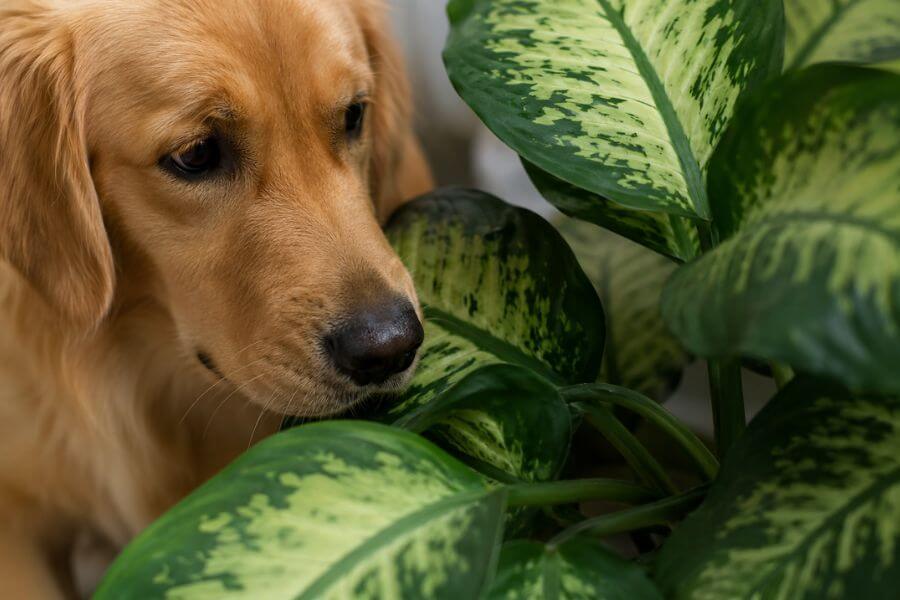
Your home and garden may look beautiful with colorful flowers and decorative plants, but some of the most popular plants can pose a serious danger to your pets. Dogs and cats are naturally curious. They sniff, chew, and sometimes eat things they should not. Unfortunately, many common household and outdoor plants contain toxins that can cause severe illness, organ failure, or even death.
Knowing which plants are dangerous is one of the easiest ways to keep your furry family members safe. Whether you have a playful puppy, a curious kitten, or an older pet that enjoys exploring the yard, understanding the risks can help you prevent emergencies before they happen.
In this guide, you’ll discover the 10 most common poisonous plants that are especially dangerous to pets, along with the symptoms they can cause and why they should be kept out of reach.
Quick Summary Table 📋
| Rank | Plant | Danger Level | Common Symptoms |
|---|---|---|---|
| 1 | Sago Palm | Extremely High | Liver failure, vomiting, seizures |
| 2 | Lily | Extremely High for Cats | Kidney failure, lethargy |
| 3 | Oleander | Extremely High | Heart problems, collapse |
| 4 | Azalea | Very High | Vomiting, weakness, heart issues |
| 5 | Tulip | Moderate to High | Drooling, stomach upset |
| 6 | Daffodil | Moderate to High | Vomiting, diarrhea |
| 7 | Dieffenbachia | Moderate | Mouth irritation, swelling |
| 8 | Autumn Crocus | Very High | Organ damage, shock |
| 9 | Foxglove | Very High | Heart rhythm problems |
| 10 | English Ivy | Moderate | Vomiting, skin irritation |
How We Ranked These Plants 🔍
We ranked these poisonous plants based on several important factors:
- Severity of poisoning symptoms
- Risk of death if untreated
- Frequency of exposure in homes and gardens
- Toxicity to both dogs and cats
- Amount needed to cause poisoning
- Veterinary emergency cases linked to the plant
- Popularity as indoor or outdoor decorative plants
- Potential for organ damage
- Speed at which symptoms appear
- Overall danger level for pet owners
1. Sago Palm 🌴
The sago palm is one of the most dangerous plants a pet can encounter. Despite its tropical appearance and popularity as a decorative plant, every part of the plant is toxic. The seeds are especially deadly.
Even a small amount can cause severe liver damage in dogs and cats. Many pet owners are unaware of the danger because the plant is often sold in garden centers and home improvement stores.
Common symptoms include:
- Vomiting
- Diarrhea
- Loss of appetite
- Increased thirst
- Bruising
- Seizures
- Liver failure
Without immediate veterinary treatment, survival rates can be very low. If you own pets, avoiding sago palms altogether is one of the safest choices you can make.
2. Lily 🌺
Lilies are beautiful flowers often found in bouquets and gardens. However, they are incredibly dangerous for cats. In fact, even small exposures can be life-threatening.
A cat does not have to eat the flower itself. Licking pollen from its fur or drinking water from a vase containing lilies can be enough to trigger severe poisoning.
Symptoms may include:
- Vomiting
- Loss of appetite
- Excessive drooling
- Lethargy
- Kidney failure
- Dehydration
Kidney damage can begin within hours. Immediate veterinary care is critical whenever a cat is exposed to lilies.
3. Oleander ☠️
Oleander is a flowering shrub commonly used in warm climates for landscaping. While it produces attractive blooms, every part of the plant contains toxic compounds that affect the heart.
Even small amounts can cause serious problems in both dogs and cats.
Signs of poisoning include:
- Vomiting
- Diarrhea
- Weakness
- Slow or irregular heartbeat
- Tremors
- Collapse
Oleander poisoning is considered a veterinary emergency because heart complications can become fatal very quickly.
4. Azalea 🌸
Azaleas are popular flowering shrubs found in many gardens. They belong to the rhododendron family and contain toxins that affect the digestive system, nervous system, and cardiovascular system.
Pets that chew on leaves or flowers can become seriously ill.
Symptoms often include:
- Excessive drooling
- Vomiting
- Diarrhea
- Weakness
- Loss of coordination
- Abnormal heart rhythms
Severe cases may lead to coma or death if treatment is delayed.
5. Tulip 🌷
Tulips are among the most recognizable spring flowers, but they can be harmful to pets. The bulbs contain the highest concentration of toxins.
Dogs are particularly at risk because they may dig up and chew flower bulbs while playing in the yard.
Possible symptoms include:
- Excessive drooling
- Nausea
- Vomiting
- Diarrhea
- Mouth irritation
- Loss of appetite
Most cases are mild to moderate, but larger amounts can lead to more serious complications.
6. Daffodil 🌼
Daffodils bring bright color to gardens every spring, but they also contain toxic compounds that can affect pets.
The bulbs are the most dangerous part of the plant. Curious dogs may dig them up and chew on them, leading to poisoning.
Common symptoms include:
- Vomiting
- Diarrhea
- Stomach pain
- Drooling
- Tremors
- Weakness
Severe poisoning can affect heart function and blood pressure, making veterinary attention important.
7. Dieffenbachia 🍃
Also known as dumb cane, Dieffenbachia is a popular indoor houseplant. While it is not usually deadly, it can cause significant discomfort and distress for pets.
The plant contains microscopic crystals that irritate tissues when chewed.
Symptoms may include:
- Intense mouth pain
- Swollen tongue
- Drooling
- Difficulty swallowing
- Pawing at the mouth
In some cases, swelling can interfere with breathing, especially in smaller pets.
8. Autumn Crocus 🍂
Autumn crocus is a highly toxic flowering plant often mistaken for harmless garden flowers. It contains powerful toxins that can affect multiple organs.
The effects may not appear immediately, which can make poisoning especially dangerous.
Symptoms include:
- Vomiting
- Bloody diarrhea
- Organ failure
- Difficulty breathing
- Shock
- Seizures
Because symptoms can be delayed, pet owners may not realize the seriousness of the situation until the poisoning becomes severe.
9. Foxglove 🦊
Foxglove is admired for its tall spikes of colorful flowers, but it contains compounds that directly affect the heart.
Even small amounts can lead to dangerous cardiac issues in pets.
Warning signs include:
- Vomiting
- Diarrhea
- Weakness
- Irregular heartbeat
- Tremors
- Collapse
Because of its impact on heart function, foxglove exposure should always be treated as an emergency.
10. English Ivy 🍀
English ivy is commonly used indoors and outdoors as a decorative climbing plant. While usually less deadly than some plants on this list, it can still cause significant illness.
Pets that chew the leaves may experience:
- Vomiting
- Diarrhea
- Abdominal pain
- Drooling
- Skin irritation
- Difficulty breathing in severe cases
Repeated exposure can lead to ongoing digestive discomfort and irritation.
Conclusion 🏡
Many poisonous plants are surprisingly common in homes, gardens, and floral arrangements. Unfortunately, pets often cannot distinguish between safe and dangerous plants. A single bite can sometimes lead to serious illness, expensive veterinary treatment, or even death.
The safest approach is prevention. Check your home, yard, and indoor plant collection for potentially toxic species. If you discover any of the plants on this list, consider replacing them with pet-friendly alternatives.
If you ever suspect your pet has eaten a poisonous plant, contact your veterinarian immediately. Fast action can make the difference between a full recovery and a life-threatening emergency.
Frequently Asked Questions ❓
Can pets recover after eating a poisonous plant?
Yes, many pets recover fully when treatment begins quickly. The outcome often depends on the type of plant, the amount consumed, and how fast veterinary care is provided.
Are cats more sensitive to plant toxins than dogs?
In some cases, yes. Cats are especially vulnerable to certain plants, such as lilies, which can cause fatal kidney failure even after very small exposures.
Should I remove all toxic plants from my home?
If you have pets, removing highly toxic plants is the safest option. At a minimum, dangerous plants should be kept completely out of reach.
What should I do if I see my pet chewing a poisonous plant?
Remove the plant immediately, prevent further access, and contact your veterinarian as soon as possible. Do not wait for symptoms to appear.
Are dried flowers and bouquets also dangerous?
Yes. Many toxic plants remain poisonous after being cut or dried. Floral arrangements can pose the same risk as living plants, especially when they contain lilies, oleander, or other toxic species.