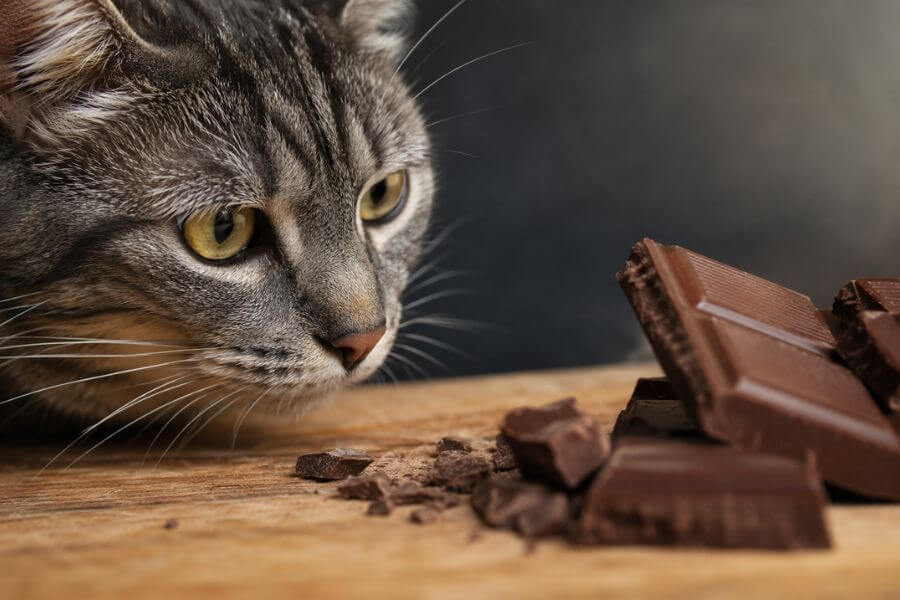
If you love your cat, you probably enjoy sharing treats and snacks with them. But some foods that seem harmless to you can actually be extremely dangerous for your furry friend. Cats have very different digestive systems from humans, and certain ingredients can lead to serious illness, poisoning, or even death.
Many cat owners accidentally feed unsafe foods without realizing the risks. A tiny piece of chocolate, a sip of milk, or leftover cooked bones may not seem like a big deal, but they can quickly become emergency situations.
In this guide, you will learn about the most dangerous foods you should never feed your cat. Knowing what to avoid can help you keep your pet healthy, safe, and happy for years to come.
Quick Summary Table 🍽️
| Dangerous Food | Why It Is Harmful | Possible Symptoms |
|---|---|---|
| Chocolate | Contains toxic compounds | Vomiting, seizures, rapid heartbeat |
| Onions and Garlic | Damages red blood cells | Weakness, anemia, breathing problems |
| Grapes and Raisins | Can cause kidney failure | Vomiting, low energy |
| Alcohol | Extremely toxic to cats | Disorientation, breathing issues |
| Caffeine | Overstimulates the nervous system | Tremors, hyperactivity |
| Raw Dough | Expands in the stomach | Bloating, alcohol poisoning |
| Xylitol | Dangerous artificial sweetener | Low blood sugar, liver damage |
| Bones | Can splinter internally | Choking, internal injuries |
| Raw Fish and Raw Meat | May contain bacteria or parasites | Diarrhea, infections |
| Dairy Products | Many cats are lactose intolerant | Upset stomach, diarrhea |
How We Ranked These Dangerous Foods ⚠️
We ranked these foods based on several important factors that affect your cat’s safety:
- Toxicity level to cats
- How common the food is in homes
- Speed of harmful effects
- Risk of long-term health damage
- Chances of accidental feeding
- Severity of symptoms
- Emergency vet cases linked to the food
- Potential for fatal outcomes
1. Chocolate 🍫
Chocolate is one of the most dangerous foods your cat can eat. It contains substances called theobromine and caffeine, both of which are toxic to cats. Even small amounts can create serious health problems.
Dark chocolate and baking chocolate are especially dangerous because they contain higher concentrations of toxic compounds. Cats are less likely than dogs to crave sweets, but some curious cats may still lick or nibble chocolate products.
Symptoms usually appear within a few hours and may include:
- Vomiting
- Restlessness
- Fast heartbeat
- Muscle tremors
- Seizures
In severe cases, chocolate poisoning can become life-threatening. If your cat eats chocolate, you should contact a veterinarian immediately.
2. Onions and Garlic 🧄
Onions and garlic may add flavor to your meals, but they are highly toxic to cats. These foods damage red blood cells and can lead to anemia.
The danger exists in many forms, including:
- Raw onions
- Cooked onions
- Onion powder
- Garlic powder
- Soups and sauces
Even small amounts eaten regularly can slowly harm your cat. Garlic is actually more toxic than onions in concentrated amounts.
Warning signs may include:
- Weakness
- Pale gums
- Low energy
- Loss of appetite
- Rapid breathing
Because onion and garlic powders are often hidden in foods, you should always check ingredient labels before giving your cat leftovers.
3. Grapes and Raisins 🍇
Many people are surprised to learn that grapes and raisins are toxic to cats. Even a tiny amount can cause sudden kidney failure in some animals.
Researchers still do not fully understand why grapes are dangerous, which makes them even more unpredictable. One cat may become seriously ill after eating only one or two raisins.
Possible symptoms include:
- Vomiting
- Diarrhea
- Lethargy
- Loss of appetite
- Dehydration
Kidney failure can happen quickly, so immediate veterinary care is critical if your cat eats grapes or raisins.
4. Alcohol 🍷
Alcohol is extremely dangerous for cats because their bodies cannot process it properly. Even small amounts can affect the brain and nervous system very quickly.
Cats may accidentally consume alcohol through:
- Beer
- Wine
- Liquor
- Desserts containing alcohol
- Fermented foods
Alcohol poisoning symptoms include:
- Confusion
- Poor coordination
- Slow breathing
- Vomiting
- Coma
In severe situations, alcohol poisoning can be fatal. Never leave alcoholic drinks unattended around pets.
5. Caffeine ☕
Caffeine is another major danger for cats. It overstimulates the nervous system and can quickly cause toxic reactions.
Sources of caffeine include:
- Coffee
- Tea
- Energy drinks
- Soda
- Certain medications
Cats are much smaller than humans, so even tiny amounts can be harmful. A few licks of strong coffee may be enough to create symptoms.
Signs of caffeine poisoning may include:
- Hyperactivity
- Rapid heartbeat
- Tremors
- Panting
- Seizures
Always keep caffeinated drinks and products out of your cat’s reach.
6. Raw Dough 🍞
Raw bread dough may seem harmless, but it can become very dangerous inside your cat’s stomach. Yeast causes the dough to expand, creating pressure and severe discomfort.
As the dough ferments, it also produces alcohol, which adds another layer of danger.
Potential risks include:
- Bloated stomach
- Severe pain
- Difficulty breathing
- Alcohol poisoning
Cats that eat raw dough may need emergency treatment, especially if the dough continues expanding in the stomach.
7. Xylitol 🍬
Xylitol is an artificial sweetener commonly found in sugar-free products. While it is more dangerous for dogs, it can still seriously harm cats.
You may find xylitol in:
- Sugar-free gum
- Candy
- Peanut butter
- Baked goods
- Toothpaste
Xylitol can cause blood sugar problems and may damage the liver. Because many products do not clearly advertise the ingredient, pet owners sometimes miss it completely.
Symptoms may include:
- Vomiting
- Weakness
- Tremors
- Coordination problems
Always store sugar-free products safely away from pets.
8. Bones 🍖
Many people assume bones are natural and safe for cats, but they can actually cause serious injuries. Cooked bones are especially dangerous because they splinter easily.
These sharp fragments may:
- Choke your cat
- Damage the mouth
- Tear the intestines
- Cause internal bleeding
Small fish bones can also become stuck in the throat. Even if your cat seems interested in chewing bones, the risks are often much greater than the benefits.
Safe cat treats are a much better option.
9. Raw Fish and Raw Meat 🐟
Raw diets have become more popular, but raw fish and meat can expose your cat to harmful bacteria and parasites.
Possible dangers include:
- Salmonella
- E. coli
- Parasites
- Nutritional imbalances
Certain raw fish also contain enzymes that reduce vitamin B1 levels in cats. Over time, this deficiency may lead to serious neurological problems.
Symptoms linked to raw food contamination may include:
- Vomiting
- Fever
- Diarrhea
- Loss of appetite
If you choose to feed raw foods, you should always work closely with a veterinarian to ensure the diet is balanced and safe.
10. Dairy Products 🥛
Many people picture cats happily drinking milk, but most adult cats are actually lactose intolerant. Their digestive systems cannot properly break down dairy products.
Common dairy foods that may cause problems include:
- Milk
- Cheese
- Ice cream
- Cream
Although dairy usually is not toxic, it can still make your cat very uncomfortable.
Common symptoms include:
- Gas
- Stomach pain
- Diarrhea
- Vomiting
Fresh water is always the safest drink for your cat.
Conclusion ❤️
Keeping your cat safe means understanding that human food is not always pet-friendly. Some foods can trigger mild digestive issues, while others may lead to life-threatening emergencies within hours.
The safest approach is to stick to high-quality cat food and veterinarian-approved treats. If you ever suspect your cat has eaten something dangerous, acting quickly can make a huge difference.
A little caution today can help protect your furry companion from serious harm tomorrow.
Frequently Asked Questions ❓
Can a tiny bite of dangerous food really hurt my cat?
Yes, it can. Cats are much smaller than humans, so even tiny amounts of certain foods can cause serious reactions. Some toxic foods work very quickly and may require emergency treatment.
What should you do if your cat eats something toxic?
You should contact a veterinarian immediately. Try to identify what your cat ate, how much was consumed, and when it happened. Fast action can greatly improve the outcome.
Are kittens more sensitive to toxic foods than adult cats?
Yes. Kittens are smaller and have developing immune systems, which often makes them more vulnerable to poisoning and digestive problems.
Is homemade cat food safer than store-bought food?
Homemade cat food can be safe if it is carefully balanced with veterinary guidance. Poorly planned homemade diets may lack essential nutrients or accidentally include harmful ingredients.
Why do cats try to eat foods that are bad for them?
Cats are naturally curious animals. They may explore foods because of smell, texture, or boredom, even when the food is dangerous. Keeping unsafe foods out of reach is the best prevention method.