You look at that tiny, fluffy face, those big dark eyes, and that sweet button nose. Your Shih Tzu looks right back at you like a little angel. Then you look down at your rug and find a brand new puddle. It is frustrating, and it can make you feel like you are failing. You love your pup, but you do not love cleaning up messes three times a day.
Shih Tzus are amazing pets. They are loyal, loving, and beautiful. However, they are also known for being very stubborn when it comes to going to the bathroom outside. Because they are small, they have tiny bladders. Because they were bred to be royalty in ancient palaces, they sometimes think they own the house and can make the rules.
If you are struggling, you are not alone. Many pet parents find themselves in the exact same spot. The good news is that you can turn things around. You do not need months of struggle. With the right plan, you can get your pup on track in less than a month. This guide will walk you through every step of the journey to a dry floor and a happy home.
Why Is Your Shih Tzu Being So Stubborn?
Before you can fix the problem, you have to understand why your dog acts this way. Shih Tzus are not trying to make you mad. They just look at the world differently than we do.
First, let us talk about their bodies. A Shih Tzu puppy has a stomach and a bladder that are about the size of a lemon. They cannot hold their business for very long, even if they want to. If they take a few sips of water, that fluid passes through their system very quickly.
Second, they have a strong sense of smell. If they have an accident on your rug once, that spot now smells like a bathroom to them. Even if you scrub it with regular soap, their sensitive noses can still smell the old spot. They will go back to that exact same place because they think it is their designated area.
Third, Shih Tzus are independent thinkers. If they feel like staying on the warm couch instead of going out into the cold grass, they will try to stay inside. They do not automatically understand that our floors are off-limits. To them, a soft carpet feels a lot like grass or dirt under their paws. When you understand these reasons, it is much easier to stay patient and focus on the solution.
Creating the Perfect Environment for Success
To win this challenge, you need to set up your home the right way. If you give your puppy total freedom to roam around your house, you are setting them up to make a mistake. They will wander into a quiet corner, do their business, and walk away.
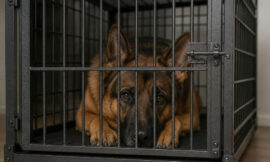
Start by limiting their space. When you cannot look directly at your pup, they should be in a safe, small area. You can use a crate, a playpen, or a small room like a bathroom with a baby gate. This is not a punishment. Dogs naturally like to keep their sleeping area clean. If their space is small enough, they will do their best to hold it until you let them out.
You also need to gather your tools. Get a good enzymatic cleaner. This is a special kind of spray that actually breaks down the odor molecules so your dog cannot smell them anymore. Gather some high-value treats too. These should be special snacks that your pup only gets when they do their business outside, like small pieces of cooked chicken or tiny cheese squares. Keep these tools nearby so you are always ready.
The Master Schedule: Your Daily Timeline
Dogs thrive on routines. When your Shih Tzu knows exactly what is going to happen next, their body starts to adapt to that schedule. They will learn to wait because they know a trip outside is coming up soon. Here is a look at how you should map out your day.
Morning Routines
The moment your eyes open, the clock starts ticking. Do not stop to make coffee or check your phone. Pick up your pup from their crate or pen and carry them straight outside. Carrying them is important because if you let them walk, they might get excited and pee on the way to the door.
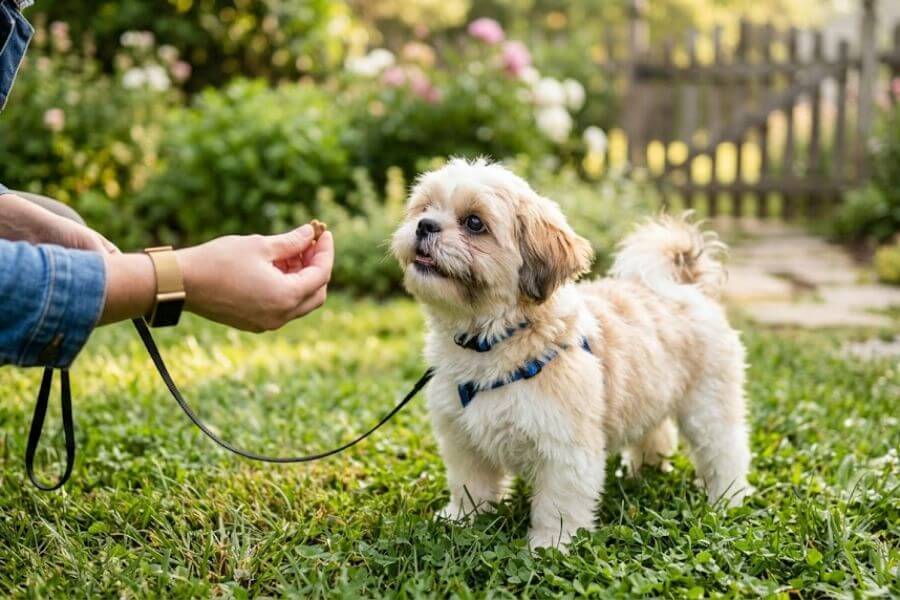
Once you are outside, go to the exact same spot in your yard every single day. Stand still and give them about five minutes. Use a specific cue word like “go potty” or “hurry up.” When they do their business, shower them with praise and give them a treat right away. After that, you can head inside for breakfast. Feed them at the exact same time every morning. Food wakes up their digestive system, so they will need to go outside again about fifteen to twenty minutes after they finish eating.
Afternoon Guidelines
During the middle of the day, you must stay alert. A good rule of thumb is that a puppy can hold their bladder for one hour for every month of their age. So, a three-month-old pup needs a break at least every three hours. However, when you are actively training a stubborn dog, you should take them out even more often. Aim for every sixty to ninety minutes.
Keep a close eye on your pup between these trips. If you see them sniffing the ground, spinning in circles, or walking toward the door, drop what you are doing and take them out immediately. These are the classic warning signs that an accident is about to happen.
Evening and Night Habits
As the sun goes down, you want to start slowing things down. Feed your dog their dinner at a consistent time, around five or six in the evening. After they eat, take them out for another bathroom break and a short walk to get things moving.
About two hours before bedtime, pick up their water bowl. This reduces the chances of a midnight accident. Take them out one final time right before you go to sleep. Make this last trip very quiet and boring so they know it is time for sleep, not for playtime. If your pup is very young, you might still need to set an alarm to take them out once during the night, but as the weeks go on, they will begin to sleep through the night without a problem.
Week One: The Baseline and Total Supervision
The first week is all about building new habits and stopping the cycle of accidents. Your goal for these seven days is simple: do not let your dog make a mistake inside the house. This requires your full attention.
You should use the umbilical-cord method during this week. This means you attach a light leash to your dog’s collar and tie the other end around your waist or hold it in your hand. Wherever you go, your Shih Tzu goes. If you are washing dishes, they are right next to you. If you are watching television, they are right at your feet. This prevents them from sneaking off to a hidden corner to pee.
Every time you take them outside, pay close attention. Do not play with them until after they go to town. If you spend twenty minutes playing fetch outside, they will forget why they are there. Then, the moment you walk back inside to the warm house, they will relax and have an accident. Keep your outside trips strictly business at first. Stand in one spot, say your cue word, and wait. If they do not go within ten minutes, bring them back inside, put them in their crate or pen for fifteen minutes, and then try again. Repeating this loop teaches them that going outside is for business, not for games.
Week Two: Building the Association and Communication
By the second week, your dog should start to understand the routine. They will begin to realize that good things happen when they do their business outdoors. Now it is time to build a stronger connection between their actions and your rewards.
This is the week where your praise needs to be bigger and louder. When your Shih Tzu goes to the bathroom outside, do not just give them a boring “good boy.” Throw a mini party. Throw your hands up, speak in a high-pitched, happy voice, and give them three treats in a row. You want your dog to think that going outside is the best thing that has ever happened to them.
You can also start teaching them a way to tell you they need to go out. Hanging bells from your doorknob is a great method for this. Every single time you take your pup out, take their paw and gently tap the bells so they make a sound. Say your cue word, then open the door and go outside. Within a week or two, your smart little Shih Tzu will connect the sound of the bell with going outside. Eventually, they will walk over and push the bells with their nose on their own when they need a break.
Week Three: Fading the Rewards and Expanding Space
You are halfway through the month, and your floors should be looking a lot cleaner. Your dog is starting to get the hang of things. Now you can begin to loosen the restrictions a little bit, but you must do it slowly.
If your pup has gone several days without an accident, you can give them a little more freedom. Let them hang out in the room with you without being attached to your waist by a leash. Keep the doors to other rooms closed so they cannot wander off. If they continue to do well, you can open up another room the next day. If they have an accident, it means you moved too fast, and you need to go back to the leash for a few more days.
This is also the time to change how you give treats. You do not want your dog to only behave when you have a piece of chicken in your hand. Start fading out the food rewards. One time you might give them a treat, the next time you might just give them a big belly rub and lots of verbal praise. This keeps them guessing, and they will keep performing the good behavior because they hope they will get a snack next time.
Week Four: Consistency and Freedom Testing
You have made it to the final week. Your Shih Tzu should now understand that the house is a clean zone and the yard is the bathroom zone. This week is all about locking in those habits for the long term.
Continue to use your schedule, but start testing your dog’s independence. Leave them alone in their safe area for slightly longer periods. Make sure they are using their communication tools, like the door bells or sitting by the exit, to tell you what they need.
Remember that consistency is still the key to success. Even if your dog seems fully trained, do not stop watching them completely. Keep up the regular trips outside and keep rewarding them occasionally for a job well done. By the end of this week, you should feel a lot more relaxed, and your pup will be a proud, housebroken member of the family.
Handling Accidents Without Ruining Progress
No matter how careful you are, accidents will happen. It is just a part of the learning process. How you react to these mistakes can either help your dog learn or set your training back by weeks.
If you catch your dog in the act of peeing on the floor, do not scream, do not scold them, and never hit them. If you scare them, they will not understand that they did something wrong. They will only learn that you are scary when they go to the bathroom. This will make them hide from you, and they will start peeing behind the couch or under the bed where you cannot see them. Instead, make a sudden, gentle sound like “Oops!” to startle them and stop the flow. Then, gently pick them up and carry them straight outside to finish their business. When they finish outside, give them a reward.
If you find a puddle on the floor after it has already happened, do not punish your dog. Dogs live in the present moment. They cannot connect a punishment with something they did ten minutes ago. If you rub their nose in it or yell at them, they will just be confused and frightened. Just clean it up quietly with your enzymatic cleaner and remind yourself to watch them more closely next time.
Special Tips for Tiny Bladders and Big Personalities
Shih Tzus are a unique breed, and sometimes you need to use special strategies to match their personality. They are sensitive dogs, so they respond much better to love and encouragement than to strict rules.
If your pup refuses to go outside when it is raining or cold, you have to be clever. Shih Tzus hate getting their paws wet. You can try setting up a large umbrella over their favorite grass spot, or you can even clear a small patch of snow so they can see the grass beneath it. Some owners find success by putting a tiny dog raincoat on their pup to make them feel more secure in bad weather.
Keep their feeding schedule perfectly regular. If you feed your dog at seven in the morning one day and ten the next day, their bathroom habits will be completely unpredictable. When their meals are regular, their bathroom breaks will be regular too. This makes your job much simpler.
Frequently Asked Questions
Why does my Shih Tzu pee inside right after we come back from a long walk?
This is a very common issue that leaves many owners scratching their heads. It usually happens because the walk was too exciting. Your pup was so busy sniffing new spots, watching birds, and looking at neighbors that they completely forgot to do their business. Once they return to the quiet, familiar house, they finally relax. That relaxation signals their bladder that it is time to go, so they wet the floor. To fix this, separate walk time from bathroom time. When you first go out, stand in your designated bathroom spot for a few minutes. Do not start walking down the street until they have completed their business.
Can I use puppy pee pads while housebreaking my Shih Tzu?
Pee pads can be helpful if you live in a high-rise apartment building or if you are away from home for long stretches, but they often make outdoor training take longer. To a dog, a pee pad feels a lot like a rug or a towel. If you teach your dog that it is acceptable to go on a soft pad inside the house, they may think it is acceptable to go on your living room carpet too. If your goal is to have your dog go outside, it is best to avoid pads completely and focus entirely on outdoor trips. If you must use them, move the pad closer to the door every day until it is finally outside on the grass.
What should I do if my dog keeps lifting his leg on the furniture?
Leg lifting, or marking, is often driven by an instinct to claim territory rather than a need to empty the bladder. This is especially common in male dogs that have not been neutered. First, use an enzymatic cleaner to erase any trace of scent from the furniture. Then, restrict your dog’s access to those specific pieces of furniture using baby gates or a playpen. You can also use a belly band, which is a soft fabric wrap that goes around your dog’s midsection, while they are inside. This prevents them from damaging your items and discourages the behavior because dogs dislike feeling wet against their fur.
How long can a four-month-old Shih Tzu puppy hold their pee?
As a general guideline, a healthy puppy can hold their bladder for about one hour for every month of their age. So, a four-month-old pup can typically hold it for about four hours when they are resting in a quiet space like a crate. However, this rule applies to a resting dog. When your puppy is playing, running around, eating, or drinking, their body moves much faster. During active times, a young pup may need to go outside every thirty to sixty minutes. Always err on the side of caution and take them out more often than you think is necessary.
Is my Shih Tzu too old to be housebroken?
An older dog is never too old to learn new habits. Whether you adopted a rescue dog or want to correct old behaviors in an older pet, the process remains exactly the same. The only difference is that an older dog might take a little longer to break their old patterns because those habits have been practiced for a long time. You will still use the same strategy: limit their indoor space, stick to a rigid schedule, supervise them closely, and offer wonderful rewards for outdoor success. With patience and consistency, an older dog will learn just as well as a young puppy.
Why does my dog look guilty after having an accident in the house?
Many owners believe their dog knows they did something wrong because they lower their head, tuck their tail, or hide when a mess is discovered. However, dogs do not actually feel guilt the way humans do. What you are seeing is a response to your body language and tone of voice. Your dog can tell that you are upset, stressed, or angry, and they are using submissive behaviors to calm you down and protect themselves. They do not connect your anger with the accident they had earlier; they are simply reacting to your current unhappiness.
Should I crate train my Shih Tzu if they hate being enclosed?
Crate training is an incredibly effective tool for housebreaking, but it must be introduced slowly and positively. If you simply throw your dog into a crate and lock the door, they will panic and cry. Start by leaving the crate door open and tossing delicious treats inside. Let them walk in and out on their own. Feed them their daily meals inside the open crate so they associate the space with good experiences. Once they are comfortable, close the door for just a few seconds while you stand nearby, then let them out and praise them. Slowly increase the time until they view the crate as their safe, cozy den.