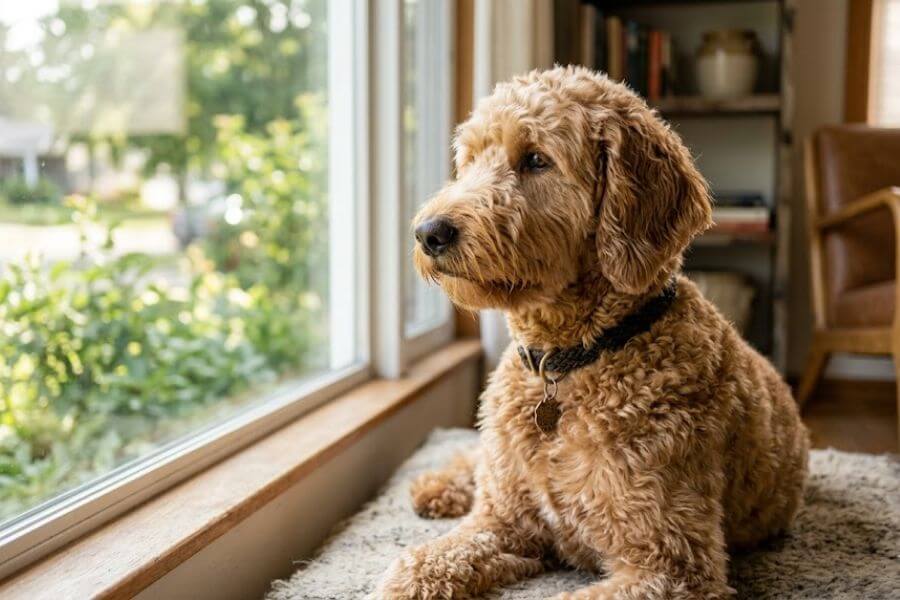
Living with a Labradoodle or a Goldendoodle is often like having a furry, four-legged shadow that never wants to leave your side. These breeds are famously affectionate, smart, and deeply attached to their humans. While that makes for a wonderful companion, it also makes them prime candidates for separation anxiety. If your dog turns into a nervous wreck the moment you grab your keys or head toward the door, you are not alone. Separation anxiety is a real challenge, but with patience, empathy, and the right approach, you can help your best friend feel safe and secure even when you are not around.
At its core, separation anxiety is a panic response. Your dog is not being naughty, spiteful, or trying to punish you for leaving. They are genuinely distressed. Think of it like a human having a panic attack. When they are left alone, their brain tells them that something terrible is happening. Their heart rate spikes, they might pace, whine, bark, or even cause damage to your home in a desperate attempt to find you or escape their confinement. Understanding that this is an emotional struggle rather than a behavior problem is the first and most vital step in the process.
Why Doodles Are Prone to Anxiety
Both Labradoodles and Goldendoodles are designer breeds created from parent dogs that were bred for specific tasks involving close cooperation with people. Labradors and Golden Retrievers are classic family dogs that thrive on social interaction. Poodles are exceptionally intelligent and highly attentive to their owners. When you combine these traits, you get a dog that is essentially hardwired to be part of a pack.
Because they are so smart, these dogs often become hyper-aware of your routine. They notice when you put on your work shoes, when you check your phone, or when you walk toward the garage. Over time, these small cues become triggers. Your dog begins to associate these actions with the trauma of being left alone, leading to an anticipatory anxiety that starts long before you actually walk out the door. Recognizing that your dog is watching your every move allows you to start changing their associations.
Creating a Safe and Calm Environment
Before you can work on the anxiety itself, you must ensure your dog has a place where they feel protected. A dedicated space, whether it is a crate or a specific room with a baby gate, can become a sanctuary. However, it is important that this space is not a prison. It should be associated with comfort, rest, and rewards.
Fill this space with items that offer comfort. A soft bed is a must. Many owners find that an unwashed piece of clothing that smells like them can offer immense relief to a lonely dog. The familiar scent acts as an anchor, reminding your dog that you are still connected to them. Keep the environment quiet and neutral. If your dog gets anxious, they do not need a chaotic room filled with loud noises or bright lights. A calm, dimly lit area helps lower their baseline stress levels significantly.
The Power of Gradual Desensitization
The most effective way to cure separation anxiety is through a process called desensitization. This involves exposing your dog to short periods of isolation that are so brief they do not trigger a panic response. You are essentially teaching your dog that when you leave, you always come back, and that your absence is not a permanent state of affairs.
Start with departures that last only a few seconds. Walk out the door, count to five, and walk right back inside. Do not make a big deal of your return. If you shower your dog with attention the moment you walk through the door, you are reinforcing the idea that your return is a massive, life-changing event. Instead, walk in calmly, go about your business, and interact with your dog only after they have settled down. By keeping your arrivals and departures boring, you send the signal that being left alone is just another part of the normal daily routine.
Changing Your Departure Cues
As mentioned earlier, your dog is likely watching you for signs that you are leaving. To break this cycle, you need to change the meaning of these cues. If picking up your keys sends your dog into a tailspin, start picking up your keys and then sitting down on the couch to watch television. If putting on your coat triggers them, put on your coat and then start cooking dinner.
By performing these actions without actually leaving the house, you strip them of their power. Your dog will eventually stop reacting to these triggers because they no longer reliably predict your departure. This is a game of patience. You are slowly rewriting the script in your dog’s mind, helping them understand that just because you put on your shoes does not mean they are about to be abandoned.
Building Confidence Through Physical Exercise
A tired dog is almost always a calmer dog. Physical activity is not just about keeping your Doodle fit; it is a powerful tool for stress relief. When your dog runs, walks, or plays fetch, their body releases endorphins that help balance their mood. If you leave a dog home alone that has been sitting on the couch all day, they have a massive reservoir of nervous energy that can easily turn into anxiety-driven behavior like chewing furniture or barking.
Try to schedule a meaningful exercise session before you head out for the day. This does not have to be a marathon. A solid twenty minutes of brisk walking or a high-energy game of tug-of-war can make a world of difference. When they are physically satisfied, they are much more likely to settle down for a nap while you are away, rather than pacing the floor waiting for your return.
The Importance of Mental Stimulation
Doodles are highly intelligent. A bored brain is a breeding ground for anxiety. If your dog is left to their own thoughts for hours, they will likely focus on how much they miss you. You need to give their brain something to do. Puzzle toys, snuffle mats, and hidden treat games are excellent ways to engage their mind.
When you leave, provide your dog with a long-lasting chew or a toy stuffed with peanut butter or treats. This does two things: it keeps them occupied during the most stressful part of the departure, and it creates a positive association with your absence. In their mind, your departure becomes a special occasion where they get their favorite high-value treat. If you do this consistently, they will start to look forward to you leaving because they know something good is coming their way.
Consistent Routines and Predictability
Dogs love predictability. In the wild, they follow cycles and routines that keep them safe. In your home, a predictable schedule helps reduce anxiety by removing the element of surprise. Try to feed your dog, walk them, and play with them at roughly the same times every day. When your dog knows exactly what to expect from their day, they are less likely to experience the spikes of panic that come from not knowing what happens next.
Consistency also applies to your training. If you are working on desensitization, do it every single day. If you only practice once a week, the progress will be slow and frustrating. Short, frequent sessions are much more effective than long, irregular ones. Make it part of your life, and soon it will feel like second nature to both you and your pet.
Using Calming Aids and Supplements
Sometimes, even with the best training, a dog needs a little extra help to take the edge off their nerves. There are many natural products on the market today designed to support canine calm. Herbs like valerian root or chamomile are often used in calming treats, and many owners swear by pheromone diffusers. These diffusers release a scent that mimics the soothing pheromones a mother dog produces for her puppies.
It is always a good idea to chat with your veterinarian before introducing any supplements. They can help you determine if your dog needs something more formal, such as anxiety medication. There is no shame in using medication to help your dog manage their fear. For some, it is the bridge they need to start making progress with their training. Think of it as a tool to help them reach a state of mind where they are capable of learning and adapting.
Patience and the Long Road to Success
The most important thing you can offer your Doodle is your patience. There will be days when you feel like you are taking two steps forward and one step back. You might come home to a shredded cushion or a neighbors complaint about barking. It is easy to feel defeated, but please remember that your dog is struggling, not failing.
Success in curing separation anxiety is rarely a straight line. It is a slow, steady progression. Celebrate the small wins, like when they settle down five minutes faster or when they choose their toy over pacing by the door. These moments are the foundation of your future success. Your calm demeanor is also essential. If you are stressed when you leave, your dog will pick up on your energy and feel even more worried. Breathe deeply, act confident, and believe that your dog can overcome this. You are their guide, and they take their emotional cues from you.
Frequently Asked Questions
Can I just get another dog to keep my Doodle company?
This is a very common question, but the answer is usually no. While it might seem like your dog is lonely, separation anxiety is about the bond with the human, not the presence of another animal. Often, a second dog will not fix the anxiety and can sometimes even make it worse if the anxious dog teaches the new dog to be nervous too. Focus on fixing the relationship with your current dog first.
How long does the training take?
There is no fixed timeline. Some dogs show improvement in a few weeks, while others might need several months of consistent work. It depends on the severity of the anxiety and how long it has been going on. The key is to stay the course and not give up. Even if it takes a long time, the results are worth the effort for the quality of life of your pet.
Should I punish my dog for accidents or damage caused during anxiety?
Absolutely not. Punishment will only increase the fear and anxiety your dog is feeling. They cannot connect your punishment to something they did hours ago or even minutes ago while they were in a state of panic. If you walk in and find a mess, clean it up quietly without making eye contact or scolding. Your dog needs to know that you are a safe person, not a source of fear.
Is crating always the best option for separation anxiety?
It depends on the individual dog. For some, a crate is a den that makes them feel secure. For others, a crate can feel like a cage that traps them during a panic attack, leading them to break out and hurt themselves. If your dog consistently panics in a crate, try using a puppy-proofed room or a playpen instead. Observe your dog and see where they seem the most relaxed.
Does diet play a role in my dog’s anxiety levels?
A healthy, balanced diet is essential for overall well-being. High-quality dog food can help ensure your dog is getting the nutrients they need for a healthy nervous system. Some dogs are sensitive to additives or fillers in lower-quality food, which can sometimes lead to hyper-activity or irritability. Talk to your vet about the best nutritional choices for your specific Doodle.
What if my dog still has anxiety after trying everything?
If you have been consistent with training for a long time and see no improvement, it is time to consult with a professional. A certified animal behaviorist or a veterinary behaviorist can provide a specialized plan tailored to your dog’s unique needs. They have the experience to spot nuances in your dog’s behavior that you might be missing and can offer advanced techniques to help turn things around. You do not have to do this alone.