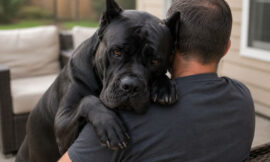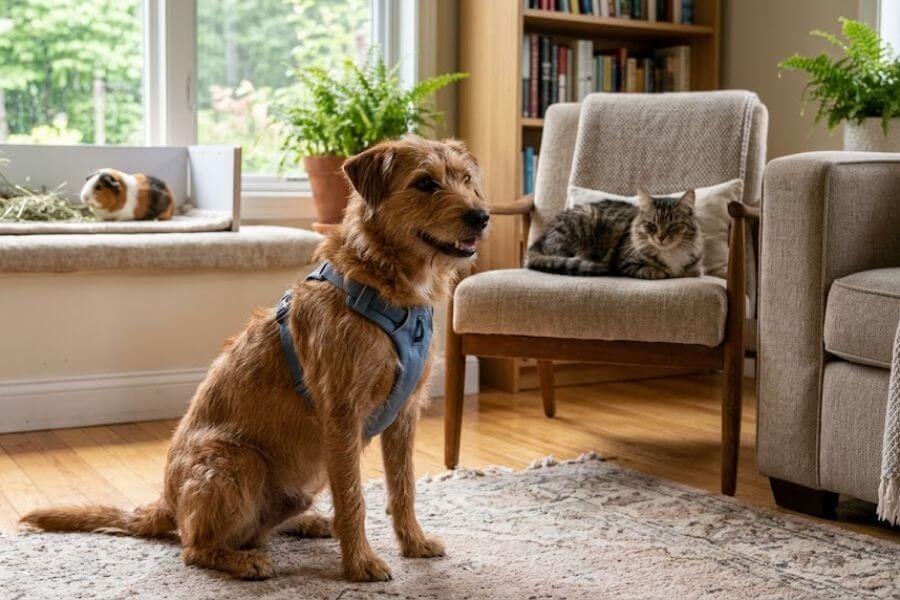
Bringing a rescue dog home is an amazing feeling, but introducing them to other pets can feel a bit scary. You might worry about barks, chases, or hurt feelings. The good news is that socializing a rescue dog does not have to be stressful. By taking things slow and following a clear plan, you can help your new dog and your current pets become great roommates. This guide breaks down the easiest way to create a peaceful, happy home for all your furry friends.
Quick Summary Table
| Step | Action Item | Main Goal |
| 1 | Scent Swapping | Get used to smells first |
| 2 | Parallel Walking | Walk together at a safe distance |
| 3 | Fence Neutral Meeting | See each other with a barrier |
| 4 | Leashed Home Intro | Meet indoors on loose leashes |
| 5 | Dragging Leash Play | Supervised freedom inside |
| 6 | Full Freedom | Unsupervised time together |
How We Ranked These
We picked and ordered these steps based on safety, ease of use, and dog psychology. When you bring a rescue dog home, you do not know their full history, so minimizing stress is the top priority. Here are the key factors we used to build this order:
- Safety first: Every step keeps a barrier or control tool between the animals until trust is built.
- Stress reduction: We start with smell because sight and touch can overwhelm a rescue dog too quickly.
- Positive reinforcement: Each step rewards calm behavior so the dogs connect each other with good things.
- Natural progression: The steps move from least intense to most intense to build your dog’s confidence.
1. Swap Scents Before They See Each Other
The very first thing you should do is let the animals get to know each other by smell alone. Rub a clean towel on your new rescue dog and let your existing pets sniff it, then do the same thing in reverse. You can also trade bedding or toys between their separate rooms so they get used to the new scent in a safe space. This builds a sense of familiarity without any of the pressure or excitement of a face-to-face meeting.
2. Go on Parallel Walks Outside
Once the animals are calm around each other’s scents, it is time for their first visual meeting on neutral ground. Have a friend or family member help you walk both dogs in the same direction on opposite sides of a quiet street. Keep the leashes loose but do not let the dogs get close enough to touch or stare each other down. Walking together in a parallel line helps them feel like they are part of the same pack working toward a common goal.
3. Let Them Meet Through a Secure Barrier
After a few successful walks, you can let the animals see each other inside the house using a sturdy barrier like a baby gate or a screen door. Allow them to sniff through the gate for short periods while you feed them high-value treats for staying calm. If either animal shows signs of stiffness or growling, simply step back and try again later when everyone is relaxed. This step allows them to inspect each other closely while keeping everyone completely safe from sudden lunges.
4. Move Indoors With Loose Leashes
If the barrier meetings go smoothly, you can bring both animals into a large, neutral room while keeping them on loose leashes. Keep this first indoor meeting very short, around two to three minutes, and fill it with praise and tasty snacks. Do not force them to interact; just let them exist in the same space while you maintain control of the situations. Keeping the leashes loose is important because tight leashes can make a dog feel trapped and defensive.
5. Supervise With Dragging Leashes
When you feel confident that the animals are comfortable, you can let them move around the room without you holding their leashes. Leave their long, lightweight leashes attached so they drag along the floor behind them as they explore. This gives the animals a sense of freedom but allows you to quickly step on a leash if you need to stop a chase or a tense moment. Always reward them when they choose to walk away from each other or rest calmly in the same room.
6. Grant Full Freedom Gradually
The final step is to remove the leashes completely during supervised times, slowly building up to full freedom. Start with ten minutes of free time and increase the duration day by day as long as the interactions remain friendly or neutral. Keep your home free of high-value items like bones or favorite toys during this phase to avoid any resource-guarding behavior. Even when they seem like best friends, make sure to separate them when you leave the house until you are absolutely certain they are safe together.
Bringing It All Together
Socializing a rescue dog takes patience, consistency, and a lot of treats. There is no need to rush the process, as every dog learns at their own unique pace. By following these structured steps, you protect your pets and build a strong foundation for a lifetime of friendship. Keep your attitude positive, stay observant, and enjoy the beautiful process of watching your pack come together.
Frequently Asked Questions
What should I do if my rescue dog completely ignores the other animal?
Neutral or ignoring behavior is actually a great sign during the socialization process. You do not need the animals to be instant best friends; a dog that chooses to look away or walk past another pet without reacting is showing excellent manners. Reward this calm neutrality with treats to teach your rescue dog that ignoring the other animal is exactly what you want.
How do I introduce a rescue dog to a small pet like a rabbit or a hamster?
Small caged animals require extra caution because many dogs have a natural prey drive that makes them want to hunt small creatures. Keep the small pet securely in their cage in a room that your rescue dog cannot access without you. You can practice basic obedience commands with your dog outside that room, rewarding them for focusing on you rather than staring at the smaller animal.
Is it normal for animals to growl a little bit during the first few weeks?
Low growls or minor corrections can be a normal part of animal communication as they establish boundaries and figure out the household rules. However, you must learn to distinguish between a minor warning growl and true aggression. If the growling is accompanied by a stiff body, bared teeth, or a fixed stare, you need to separate the animals immediately and take a step backward in your training plan.
Should I feed the animals in the same room once they are socialized?
It is safest to feed your pets in separate rooms or on opposite sides of a closed door, even after they are fully socialized. Food is a high-value resource that can easily trigger protective instincts in a rescue dog who might have experienced starvation in the past. Keeping meal times separate prevents unnecessary tension and allows each animal to eat in peace.
What role does crate training play in the socialization process?
Crate training is an excellent tool because it gives your rescue dog a secure, private space where they can rest without being bothered by other pets. It also allows your existing animals to roam the house freely without your new dog feeling the need to defend themselves. Using a crate helps manage the environment so that interactions only happen when you are totally ready to supervise them.