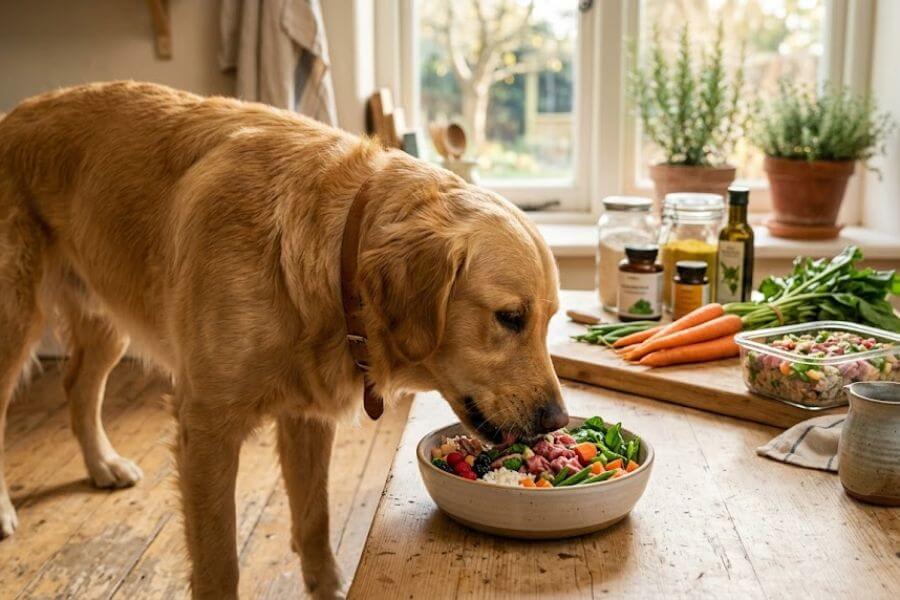
Switching your dog to a fresh food diet is an exciting step toward better health and higher energy levels. Many pet parents find that fresh, whole foods provide the nutrients their furry friends need to thrive in 2026 and beyond. However, moving away from traditional kibble requires a thoughtful approach to ensure your pup adjusts comfortably without any digestive issues. By following a steady plan, you can make this change a positive experience for both of you.
Getting Started With Fresh Food
Changing your dog’s diet is more than just swapping out a bowl of dry pellets for fresh ingredients. Your dog has a sensitive digestive system that needs time to adapt to new proteins, textures, and moisture levels. Whether you are preparing homemade meals or using a fresh food subscription service, the process should be gradual. This guide focuses on the most effective and safe ways to transition your dog so you can feel confident about the nutrition they are receiving every single day.
Quick Summary Table
| Strategy | Why It Matters |
| The Slow Blend | Prevents tummy upset |
| Monitor Stool Quality | Checks for digestion issues |
| Consistent Meal Times | Helps regulate metabolism |
| Consult Your Vet | Ensures nutritional balance |
| Track Overall Energy | Verifies diet effectiveness |
How We Ranked These
We determined these transition methods based on veterinary advice, common pet owner experiences, and the physiological needs of dogs. Key factors included:
- Safety and digestion stability to avoid vomiting or diarrhea.
- Simplicity for the owner to follow on a daily basis.
- The importance of professional guidance during major health changes.
- Long-term sustainability of the feeding routine.
1. The Slow Blend Method
The most important rule when switching your dog to fresh food is to go slowly. You should start by mixing a small amount of the new fresh food into your dog’s current kibble, gradually increasing the fresh portion while decreasing the old food over a period of 7 to 10 days. This slow process allows your dog’s gut bacteria to adjust to the new ingredients and significantly reduces the risk of an upset stomach. If you notice any signs of discomfort or loose stools, simply slow down the process and keep the ratio the same for an extra few days until your dog seems comfortable again.
2. Monitor Stool Quality Daily
Your dog’s digestion is the best indicator of how well they are handling the transition. During the first two weeks, keep a close eye on their stools to ensure everything remains normal. Firm and regular bowel movements are a great sign that the fresh food is being digested properly. If you notice persistent diarrhea or significant changes in stool color or consistency, it is a clear signal that you should slow the transition or perhaps revisit the specific ingredients you are using. Tracking these subtle changes helps you catch potential issues before they become serious health concerns.
3. Maintain Consistent Meal Times
Even when you are introducing new food, you should try to keep your dog’s feeding schedule exactly the same as it was before. Dogs thrive on routine, and consistent meal times help regulate their digestion and metabolism. By feeding your dog at the same hours each day, you create a stable environment that makes it easier for their system to process the new nutrients. Avoid making sudden changes to when they eat while you are already changing what they eat, as combining both transitions can cause unnecessary stress for your pet.
4. Consult Your Vet Early
Before you make any permanent changes to your dog’s diet, it is a smart idea to talk with your veterinarian. Every dog has unique nutritional requirements based on their age, weight, breed, and any pre-existing health conditions. A professional can help you calculate the right amount of calories and ensure that the fresh food you are choosing provides a balanced profile of vitamins and minerals. Getting a green light from your vet ensures that your dog is getting exactly what they need to stay healthy, and it gives you a partner to turn to if you have questions along the way.
5. Track Overall Energy and Coat Health
Beyond digestion, look at how the fresh food is affecting your dog’s overall vitality. Within a few weeks of a successful transition, many owners report seeing a shinier coat, brighter eyes, and more consistent energy levels throughout the day. Keep a simple log or just pay attention to how your dog acts during play and rest. If your dog seems sluggish or if their skin looks dry, it might mean the new diet is lacking a specific nutrient or that the calorie count needs to be adjusted. Positive physical changes are the best confirmation that the fresh food transition is working as intended.
Conclusion
Transitioning your dog to a fresh food diet is a journey toward better long-term wellness. By taking it slow, watching your dog’s reactions closely, and staying in touch with your veterinarian, you can make the process safe and successful. Remember that every dog is different, so be patient and stay consistent. With these steps, you are well on your way to providing your best friend with high-quality nutrition that supports their health for years to come.
Frequently Asked Questions
What should I do if my dog refuses to eat the new fresh food?
It is not uncommon for dogs to be picky when faced with a new texture or smell. Try warming the fresh food slightly to enhance its aroma or mix in a tiny amount of a healthy topper they already enjoy to encourage them to try the first few bites.
Can I mix fresh food with dry kibble forever?
Yes, many pet owners choose a partial fresh food diet as a long-term solution. Mixing fresh food with high-quality kibble can provide the benefits of fresh ingredients while maintaining the convenience of dry food, provided you still account for total daily caloric needs.
How do I know if my dog has an allergy to a new ingredient?
Watch for signs like excessive itching, redness in the ears, or hives shortly after introducing a new protein or vegetable. If you notice these symptoms, stop feeding the new ingredient immediately and consult your veterinarian to identify the culprit.
Should I worry about the extra moisture in fresh food?
Actually, the higher moisture content in fresh food is typically a benefit, as it helps keep your dog hydrated throughout the day. You may notice your dog drinks slightly less water from their bowl, which is usually normal when they are getting more hydration through their meals.
How do I store fresh dog food safely?
Fresh food must be handled similarly to human food to avoid bacterial growth. Always store it in the refrigerator according to the package instructions, and discard any leftovers if they have been sitting in the bowl for more than an hour or two.