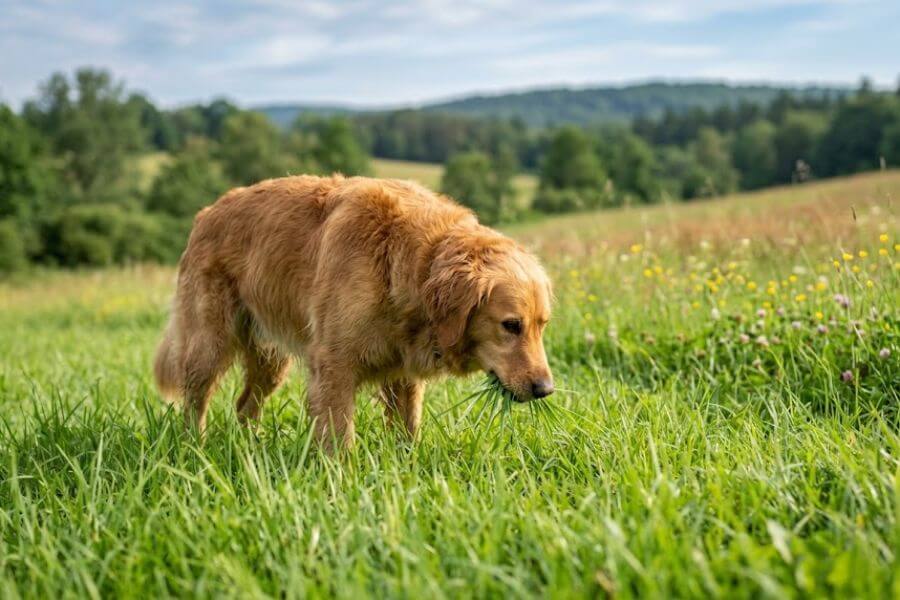
It can be a little surprising when your dog suddenly decides to treat your lawn like a salad bar. You might find yourself wondering if they are sick, bored, or just craving a little greenery in their diet. While seeing your pup munching on grass is a very common behavior, it often leaves owners feeling puzzled. The good news is that this habit is usually harmless and often just part of being a dog. In this post, we will explore the nine most likely reasons behind this sudden behavior change so you can better understand your furry friend.
Quick Summary Table
| Reason | Likely Motivation |
| Digestive Issues | Soothing an upset stomach |
| Nutritional Deficiency | Seeking missing fiber or nutrients |
| Boredom | Looking for something to do |
| Instinct | Natural scavenging behavior |
| Taste/Texture | Simply liking the smell or crunch |
| Anxiety | Self-soothing mechanism |
| Habit | It has become a routine |
| Seeking Attention | Trying to get a reaction from you |
| Dental Issues | Trying to clean teeth or soothe gums |
How We Ranked These
We organized these reasons based on common veterinary observations and typical dog behavior patterns. Here are the key factors we considered:
- Frequency of reported cases in veterinary practice.
- Likelihood of the behavior being related to basic survival instincts.
- Common environmental and psychological triggers for dogs.
- Ease of identification for pet owners at home.
1. Digestive Discomfort
Many dogs instinctively turn to grass when they feel nauseated or have an upset stomach. The texture of the grass blades can tickle the lining of their throat and stomach, which sometimes helps induce vomiting. If your dog is eating grass and then throwing up, it is often their way of trying to clear out something that has been making them feel unwell.
2. Dietary Fiber Needs
Even though dogs are primarily carnivores, they can benefit from adding fiber to their diets. If your dog is not getting enough roughage in their regular meals, they might seek it out in the form of grass. Adding a bit more fiber to their kibble or consulting your vet about a diet change can sometimes resolve this urge immediately.
3. Pure Boredom
Sometimes, it really is that simple. If your dog is spending a lot of time outside without toys or interaction, they might start eating grass just to pass the time. Think of it as a low-stakes activity to keep their mouth busy while they are lounging in the yard.
4. Ancestral Instincts
Dogs are descended from wild canine ancestors who were opportunistic scavengers. In the wild, these animals ate a wide variety of plant matter, including the stomach contents of prey or wild grasses. Eating grass is a behavior that has been passed down through generations, reflecting a natural urge to forage.
5. Enjoying the Taste
Believe it or not, many dogs actually like the taste and crunch of fresh, green grass. Especially in the spring when the lawn is lush and sweet, your dog might just enjoy the sensation of grazing. If they seem happy and energetic while doing it, they likely just enjoy the snack.
6. Anxiety or Stress
Dogs often use repetitive behaviors to self-soothe when they are feeling anxious or overwhelmed. If you notice your dog eating grass during storms, fireworks, or after a change in the household routine, it might be a nervous habit. The act of grazing can act as a distraction that helps them calm down.
7. Habitual Behavior
Once a dog discovers that eating grass is an option, it can quickly become a routine. If they do it once or twice and realize it is a harmless activity, they might start doing it every time you step outside together. It becomes a standard part of their outdoor exploration process.
8. Attention Seeking
Dogs are smart and they quickly learn what behaviors get a reaction from their owners. If you rush over or shout “stop” every time they take a bite of grass, they might interpret that as a fun game. They may continue the behavior simply because they know it gets you to engage with them immediately.
9. Dental or Gum Discomfort
If your dog is experiencing sore gums or tooth pain, the cool, fibrous texture of grass might provide temporary relief. While this is less common than other reasons, a dog that is chewing on everything—not just grass—might be trying to alleviate discomfort in their mouth.
Conclusion
Most of the time, a dog eating grass is perfectly normal and nothing to worry about. However, as the owner, you know your dog best. If this behavior is sudden, excessive, or accompanied by other symptoms like lethargy, diarrhea, or a loss of appetite, it is always a good idea to reach out to your veterinarian. By paying attention to when and why your dog grazes, you can determine if it is just a quirky habit or a sign that they need a little extra care.
Frequently Asked Questions
Should I stop my dog from eating grass?
Generally, no, as long as the grass has not been treated with toxic pesticides, fertilizers, or herbicides. If your dog is not showing signs of illness, allowing them to graze is usually harmless.
Is it dangerous if my dog eats grass and throws up?
It is usually a sign that they were trying to settle an upset stomach, but if they are vomiting repeatedly, seem lethargic, or cannot keep water down, you should contact a vet immediately to rule out a blockage or poisoning.
What kind of grass should I avoid?
You should definitely stop your dog from eating grass that has been recently sprayed with chemicals. Always check your lawn care products to ensure they are pet-safe and watch for grass that may have parasites like lungworm larvae if you are in an area where that is common.
Can eating grass cause intestinal blockages?
While it is rare for grass alone to cause a major blockage, eating very large amounts can sometimes lead to issues with digestion. If your dog seems to be eating excessive amounts of grass, it is worth discussing with your vet to rule out underlying digestive health concerns.
How can I tell if my dog is bored versus sick?
Observe their body language. A bored dog will usually be active, alert, and looking for play, whereas a dog eating grass due to illness will often seem hunched over, quiet, or reluctant to eat their regular meals.
What should I do if my dog eats grass and then gets diarrhea?
If your dog develops diarrhea after eating grass, monitor them closely for a few hours. If the diarrhea persists for more than 24 hours, is bloody, or if your dog acts unusually tired, you should schedule a visit with your veterinarian.
Does the type of grass make a difference?
Yes, some dogs prefer sweet, young spring grass because it is tender, while others might go for thicker blades. Avoid areas with tall, coarse, or sharp grasses that could irritate their throat or cause them to gag.
Are there any plants that look like grass but are toxic to dogs?
Yes, some decorative plants or weeds that look like grass can be highly toxic. Always ensure your dog is only grazing in a safe area and learn to identify common toxic plants in your local environment.
Can a change in dog food stop the grass eating?
If the behavior is caused by a nutritional deficiency, switching to a high-quality, balanced diet or adding a fiber supplement recommended by your vet can sometimes reduce the urge to eat grass.
When should I be worried about my dog eating grass?
You should be concerned if the behavior is accompanied by signs of distress, such as weakness, excessive drooling, extreme restlessness, or if your dog is consuming large quantities of grass multiple times a day.