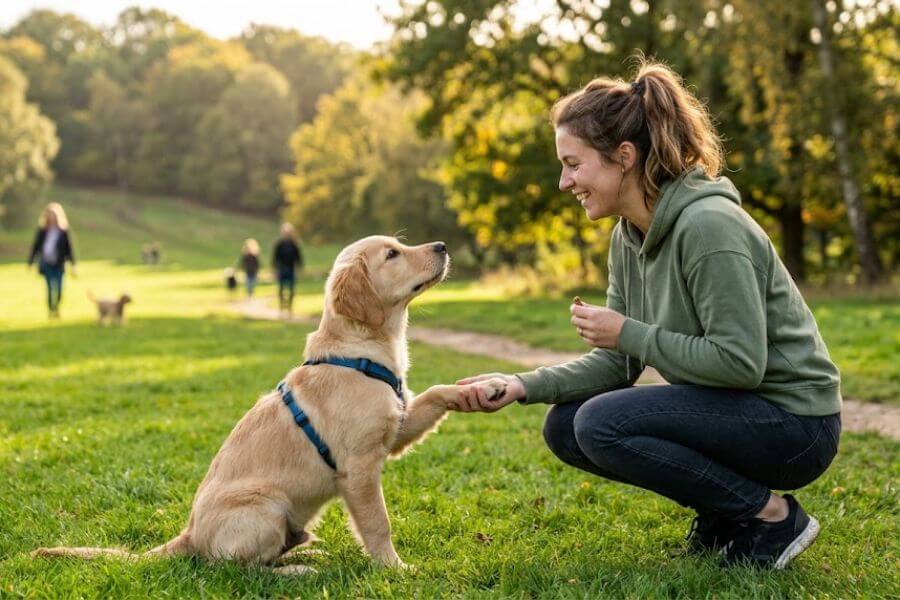
Bringing a new dog into your home for the first time is an exciting journey, but it is normal to feel a bit nervous about training. You want a companion who is eager to learn, patient with your mistakes, and ready to bond. Some breeds are naturally more focused and responsive to human guidance, which can make your experience as a new owner much smoother. If you are looking for a furry friend who will listen to your commands and make the learning process fun for both of you, this list is a perfect place to start.
Quick Summary Table
| Rank | Dog Breed | Key Strength |
| 1 | Labrador Retriever | Eager to please |
| 2 | Golden Retriever | Highly patient |
| 3 | Papillon | Intellectually sharp |
| 4 | Poodle | Very adaptable |
| 5 | Border Collie | Rapid learner |
| 6 | Cavalier King Charles Spaniel | Affectionate and gentle |
| 7 | Bichon Frise | Sociable nature |
| 8 | Pembroke Welsh Corgi | Task-oriented |
| 9 | Shetland Sheepdog | Extremely responsive |
| 10 | Bernese Mountain Dog | Calm temperament |
| 11 | Havanese | People-focused |
| 12 | Miniature Schnauzer | Confident and alert |
How We Ranked These
To help you make the best choice, we looked at several key factors that define an easy-to-train dog:
- Intelligence: How quickly the dog understands new commands and picks up on routines.
- Eagerness to Please: Whether the dog is naturally motivated to work with you or prefers to do their own thing.
- Temperament: How patient, calm, and forgiving the dog is when you are still learning the ropes of training.
- Focus: The dog’s ability to pay attention to you despite distractions in the environment.
- Social Motivation: How much the dog values interaction and praise, which acts as a great reward for good behavior.
1. Labrador Retriever
The Labrador Retriever is widely considered the gold standard for first-time owners because they are incredibly friendly and genuinely love to make their humans happy. They are food-motivated and highly social, which means they usually catch on to basic commands like “sit” or “stay” very quickly. Because they are so forgiving and patient, you have plenty of room to learn your own training style without worrying about causing them undue stress.
2. Golden Retriever
Golden Retrievers are famous for their sweet dispositions and their unwavering devotion to their owners. They possess a high level of intelligence combined with a gentle nature, making them remarkably easy to train even if you have never handled a dog before. They remain calm in new situations and are very eager to follow your lead, ensuring that your training sessions remain positive and productive experiences.
3. Papillon
Do not let their small size fool you; Papillons are often ranked among the smartest of all dog breeds and are exceptionally quick to learn. They are tiny athletes that love having a job to do and are always ready to show off what they have learned for a bit of praise or a small treat. Their high level of engagement makes them a joy to train, as they are constantly looking at you, waiting for your next instruction.
4. Poodle
Poodles, whether standard, miniature, or toy, are brilliant problem solvers that thrive when they are mentally challenged. They have a natural ability to read their owner’s moods, which helps them understand what you want even if you aren’t perfectly clear with your hand signals yet. Their desire to be part of the action, paired with their high intelligence, makes them one of the most versatile and manageable breeds for a novice trainer.
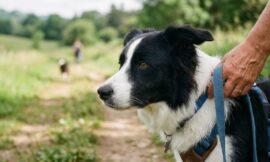
5. Border Collie
Border Collies are incredibly fast learners who are built to work closely with their human partners. They have an unmatched level of focus and a drive to complete any task you set for them, which makes them very satisfying to train. While they do need plenty of exercise to keep them happy, their deep connection to their owners means they will quickly turn their attention to you whenever you start a training session.
6. Cavalier King Charles Spaniel
If you are looking for a dog that is easy-going and naturally well-behaved, the Cavalier King Charles Spaniel is a fantastic choice. They are not prone to stubbornness and are very happy to just be by your side, following your instructions to keep you satisfied. Their sweet, gentle personality makes them a perfect match for a first-time owner who wants a relaxed, stress-free training environment.
7. Bichon Frise
The Bichon Frise is a cheerful and resilient breed that loves nothing more than being in the company of their favorite people. They are highly responsive to positive reinforcement and are always looking for ways to earn your affection, which makes teaching them tricks and house manners a breeze. Their playful nature keeps training sessions light and fun, preventing you from feeling overwhelmed during your first few months together.
8. Pembroke Welsh Corgi
Pembroke Welsh Corgis are intelligent, active, and very interested in what you are doing. Because they were originally bred to herd, they have a natural instinct to pay attention to their handler and work as part of a team. They learn very quickly when rewarded with snacks or play, and their enthusiastic attitude often makes them the most eager student in the room.
9. Shetland Sheepdog
Shetland Sheepdogs, or “Shelties,” are incredibly sensitive to their owner’s tone and body language. They want to be perfect for you, so they tend to pick up on new behaviors after only a few repetitions. Their natural desire to please makes them excellent for learning complex commands, and they are usually very focused on you, making them easy to guide even in busier environments.
10. Bernese Mountain Dog
If you prefer a larger companion, the Bernese Mountain Dog is known for being remarkably calm and easy to train. They are affectionate giants that do not have a stubborn bone in their bodies, preferring to lounge at your feet and wait for your guidance. Their laid-back personality means they don’t get frustrated easily, which provides a nice, steady pace for you as you figure out how to be an effective leader.
11. Havanese
Havanese dogs are clever, trainable, and very devoted to their families. They are excellent at learning how to live in a human household and are generally very quick to master basic obedience training. Because they are so small and manageable, they are great for owners who might be nervous about controlling a larger dog, and their playful spirit keeps the training process moving along at a steady clip.
12. Miniature Schnauzer
Miniature Schnauzers are confident, alert, and very smart, making them great dogs for owners who want a partner that is always ready for a game of training. They are very loyal and bond closely with their primary human, which makes them highly attentive during training sessions. They love a good challenge and are consistently eager to earn your praise, helping you feel successful and confident as a new dog owner.
Conclusion
Training a dog for the first time does not have to be a daunting task. By choosing a breed known for its intelligence, eagerness to please, and gentle temperament, you are setting yourself up for success. Remember that patience, consistency, and a supply of tasty treats are your best tools in the early days. As you work with your new companion, you will find that the training process is really just a way to build a stronger, more trusting relationship with your best friend.
Frequently Asked Questions
How long should each training session last for a new puppy?
It is best to keep training sessions short, usually between 5 to 10 minutes at a time. Puppies have a limited attention span, and shorter, more frequent sessions throughout the day will keep them interested and prevent them from getting tired or frustrated.
What is the best way to handle a dog that gets bored during training?
If your dog seems bored, try changing the reward. Use a higher-value treat or introduce a favorite toy to keep the excitement level high. You can also try making the training session a game and ensuring you end the session on a positive note while they are still enjoying themselves.
Can I train an older rescue dog just as easily as a puppy?
Yes, older rescue dogs are often easier to train because they may have a longer attention span and are less prone to the “puppy crazies.” They are often very grateful for the interaction and, despite what people say, you can absolutely teach an older dog new tricks with enough patience and reward.
Why is positive reinforcement better than punishment-based training?
Positive reinforcement focuses on rewarding the behaviors you want to see, which builds trust and confidence between you and your dog. Punishment-based training can make a dog anxious or fearful, which often causes them to shut down or act out, making it much harder to teach them anything useful.
Should I enroll in a group training class as a first-time owner?
Enrolling in a group class is a wonderful idea because it provides a controlled environment for your dog to learn around other people and pets. It also gives you access to a professional trainer who can give you direct feedback on your technique, which is invaluable when you are just starting out.
What should I do if my dog stops responding to commands in public?
If your dog stops listening in public, it is likely because they are overstimulated by the environment. Go back to basics and practice your commands in a quiet, familiar place like your living room before gradually moving to more distracting areas like your backyard or a quiet park.
How much exercise do these “easy” breeds generally need?
Even the easiest breeds to train usually need at least 30 to 60 minutes of daily activity, such as walks or backyard play. A dog that has had their energy burned off is much more capable of focusing during training than a dog that has been stuck inside all day.
Is it necessary to hire a professional trainer for an easy-to-train breed?
It is not strictly necessary, but even owners of the smartest breeds can benefit from a few sessions with a professional. They can help you learn how to better communicate your needs to your dog and teach you how to troubleshoot common behaviors before they turn into bad habits.