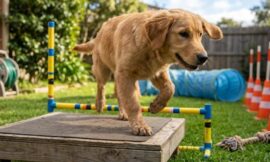
Bringing home a new Labrador puppy is one of the most exciting things you can do. Those big paws, wagging tails, and sweet eyes are hard to resist. Labs are famous for being friendly, loving, and full of energy. However, that high energy means they can get into mischief quickly if they do not have guidance. Teaching your puppy basic manners early makes life easier and builds a strong bond between you two.
Training should be a fun game for both of you. The key to success is using positive rewards, like tasty treats and lots of praise. Here are the five basic obedience commands your Labrador puppy needs to learn first to become a well-behaved companion.
The Sit Command
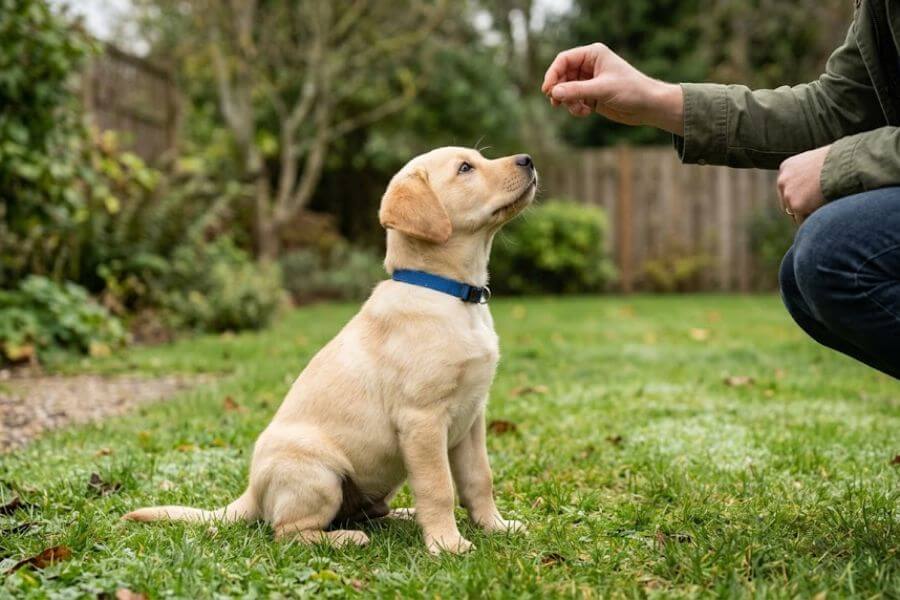
The sit command is the perfect starting point for any young dog. It is the easiest command for a puppy to understand because it is a natural position for them. Teaching your pup to sit gives them a go-to behavior when they want something, instead of jumping up on you or barking.
To teach this, hold a small treat right in front of your puppy’s nose. Slowly move your hand up and back over their head. As your puppy tracks the treat with their eyes, their bottom will naturally hit the floor. The very second their rear touches the ground, say sit in a cheerful voice, give them the treat, and pet them.
Repeat this simple exercise five to ten times in a row during short training sessions. Your Lab will quickly learn that sitting down leads to wonderful rewards. Once they get the hang of it, you can use this command before meals, before going outside, or when greeting new friends.
The Stay Command
Once your Labrador puppy knows how to sit, you can move on to the stay command. This command is a lifesaver when you need your dog to remain still. It keeps them safe when you open the front door or when you are carrying something heavy in the kitchen.
Start by asking your puppy to sit. Hold your hand out with your palm facing their face, like a stop sign, and say stay in a calm, firm voice. Take just one step backward. Wait a single second, then step back to your puppy, praise them, and give them a treat.
If your puppy gets up before you give the reward, do not get upset. It just means the step was too big or the wait was too long. Calmly put them back in the sit position and try again, but this time, only wait half a second before rewarding them. As they get better, you can slowly increase the number of steps you take and the time they have to wait.
The Come Command
The come command, also known as the recall, is the most important safety command your dog will ever learn. Labradors are naturally curious and love to explore. If your puppy accidentally gets off their leash or runs out the door, a reliable come command will bring them right back to you.
To practice this, start in a quiet room with no distractions. Get down on your puppy’s level, call their name, and say come in a super excited voice. You can clap your hands or open your arms wide to look inviting. When your puppy runs to you, shower them with praise and a high-value treat.
Never use this command to call your puppy for something they dislike, like a bath or a nail trim. If you do, they will connect the word with bad things and stop listening. You want your Lab to think that running to you is the absolute best thing in the whole world.
The Down Command
The down command tells your puppy to lie flat on the stomach. It is a fantastic tool for calming a high-energy Labrador puppy when they get too excited. It is a more relaxing position than sitting, which makes it perfect for when you want your dog to settle down while you eat dinner or watch a movie.
Start with your puppy in a sitting position. Hold a treat in your hand and place it right in front of their nose. Slowly lower your hand straight down to the floor between their front paws. Your puppy should follow the treat down with their nose. Once their chest is resting on the floor, say down, give them the treat, and praise them.
Some puppies might try to pop back up right away. If they do, guide them back down gently with another treat. Keep these sessions short and sweet so your young dog does not get frustrated with the new position.
The Leave It Command
Labradors are famous for eating almost anything they find on the ground. From dropped kitchen scraps to rocks and sticks outside, their mouths are always busy. The leave it command tells your puppy to look away from something tempting and focus on you instead.
To teach this, hide a treat in your closed fist and hold it out to your puppy. They will probably sniff, lick, and paw at your hand to get it. Ignore these actions completely. The moment your puppy gives up and pulls their nose away, say leave it and give them a completely different treat from your other hand.
Your puppy will realize that ignoring the item in your hand actually gets them a better reward. Next, you can try this with a treat on the floor while covering it with your foot. Eventually, your Lab will learn to ignore dropped items on the sidewalk or kitchen floor just by hearing the magic words.
Frequently Asked Questions
When should I start training my Labrador puppy?
You can start teaching your Labrador puppy these basic commands the very day you bring them home, which is usually around eight weeks old. Young puppies have short attention spans, so keep training sessions very brief. Two or three minutes, a few times a day, is perfect for a young pup.
What should I do if my puppy keeps biting my hands during training?
Labrador puppies use their mouths to explore everything, and teething can make them want to bite even more. If your puppy bites your hand during training, make a high-pitched pup sound, say ouch, and stop the training session for ten seconds. This teaches them that biting makes the fun and treats stop.
How many treats should I give my puppy during training?
You will use a lot of treats during training, so it is important to use tiny, pea-sized pieces. You can even use a portion of their daily kibble as rewards. This keeps your puppy from gaining too much weight or getting an upset stomach while they learn.
Why does my puppy listen to me inside but ignore me outside?
Inside your home, there are very few distractions. Outside, the world is full of exciting smells, birds, blowing leaves, and strange noises that compete for your puppy’s attention. Start training in a quiet room first, then move to the backyard, and finally try public places as your puppy gets better.
How long does it take for a Labrador puppy to learn these commands?
Every puppy learns at their own pace. Some Labs might understand a command in a few days, while others might take a few weeks to get it right every time. Consistency is the secret to success, so practice every single day and always stay positive.