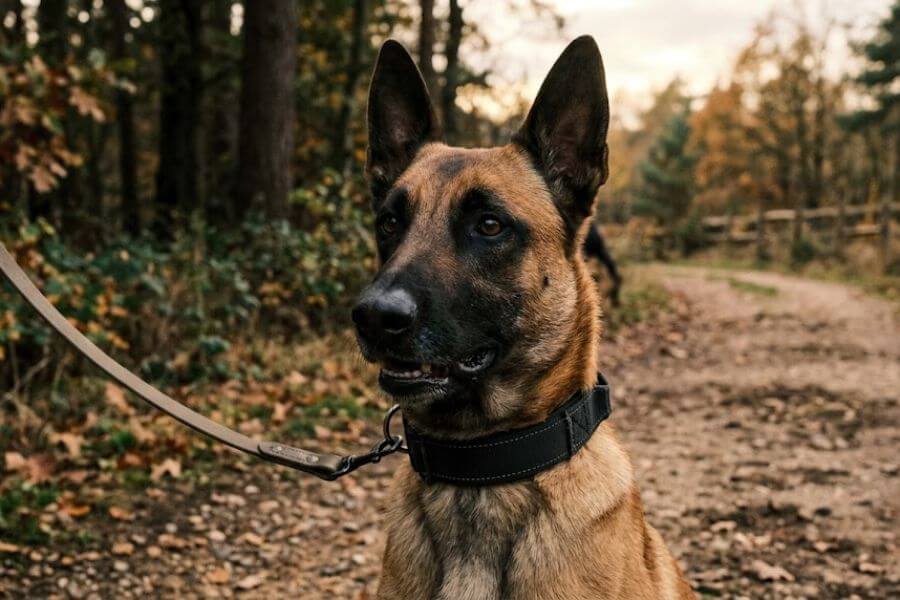
You see them on television or in videos, floating through the air like super-heroes, catching frisbees with precision, or navigating complex obstacle courses without breaking a sweat. The Belgian Malinois looks like the ultimate dream dog. They are sleek, intense, incredibly smart, and look like they were born knowing exactly how to protect their family. It is easy to fall in love with that picture-perfect image.
But behind those jaw-dropping videos are thousands of hours of intense training, buckets of sweat, and a level of commitment that catches most normal pet parents completely off-guard.
The truth is, a Belgian Malinois is not just a regular dog with a higher energy level. They are built differently. They are high-drive, razor-sharp working dogs packed into a compact, muscular frame. When you bring one into your home without understanding their unique mind, things can spin out of control very fast. If you are struggling with your Malinois, or if you are thinking about adding one to your family, you need to know the hidden traps that trip up even experienced dog lovers.
Let us dive deep into the absolute biggest mistakes owners make when training a Belgian Malinois, and how you can avoid them to build the bond of a lifetime.
Treating Them Like a Normal Backyard Dog
One of the first and most damaging mistakes you can make is assuming your Belgian Malinois will behave just like a golden retriever or a standard family pet. If you think your dog will be content sitting in a fenced backyard all day, waiting for you to come home from work to give them a quick belly rub, you are in for a massive surprise.
The Working Dog Reality
These dogs were bred to herd livestock and work alongside police officers, military teams, and search-and-rescue crews. They possess an internal engine that never stops running. When you leave a working dog alone with nothing to do, they do not just take a nap. They find a job to do, and you will almost never like the job they choose.
Backyard Destruction
Without a structured task, an under-stimulated Malinois will quickly transform your beautiful property into an absolute disaster zone.
- They will dig massive craters in your lawn that look like meteor strike zones.
- They will chew through wooden decks, plastic lawn furniture, and even brick walls.
- They will bark relentlessly at the wind, birds, or shadows, creating tension with your neighbors.
- They will attempt to scale or jump your fences, as many can clear an eight-foot barrier with ease.
To avoid this, you must change your mindset. You are not just a pet owner; you are a pack leader, a coach, and a boss. Your Malinois needs to feel like they are earning their keep through daily training sessions, structured play, and clear boundaries.
Waiting Too Long to Start Socialization
Many people bring a fluffy, eight-week-old Malinois puppy home and think they have plenty of time before real training begins. They want to let the puppy just be a baby for a few months. This is a critical error that can cause massive behavioral problems down the road.
The Window of Opportunity
Dogs have a vital development phase that closes very early in life, usually around sixteen weeks of age. During this short time, their brains are like little sponges, absorbing everything about the world around them. If they do not experience a wide variety of sights, sounds, smells, people, and other animals during this period, they can grow up to be naturally suspicious, fearful, or overly protective.
Safe Exposure Strategies
Socialization does not mean forcing your young puppy to meet every single dog and person on the street. In fact, that can actually scare them and cause the exact opposite effect. True socialization means teaching your puppy to remain calm and neutral around strange things.
- Take your puppy to a busy parking lot and let them watch people walk past while you feed them high-value treats.
- Walk them on different surfaces like crunchy gravel, shiny metal grates, slippery plastic tarps, and wet grass.
- Introduce them to garbage trucks, umbrellas, vacuum cleaners, and people wearing strange hats or bulky coats.
- Keep every single exposure positive, short, and packed with rewards so your puppy learns that the world is a fun, safe place.
Using Harsh Physical Punishment
Because the Belgian Malinois is a tough, intense breed used by the military, some people think you need to use a heavy hand, loud yelling, or physical force to get them to listen. This is not only wrong, but it is also incredibly dangerous with this specific breed.
The Sensitive Soul Behind the Tough Exterior
Despite their fierce appearance, the Belgian Malinois is an incredibly sensitive dog. They are deeply attuned to human emotion, body language, and tone of voice. If you start screaming at them, hitting them, or pinning them to the ground, you will instantly destroy the trust between you.
The Danger of a Fearful Working Dog
When you use physical intimidation on a regular dog, they might shut down and cower. When you use it on a Belgian Malinois, you can trigger their deep-seated defense mechanisms.
- A punished Malinois may become a fear-biter, using their powerful jaws to protect themselves from you.
- They will learn to hide their warning signs, like growling, and jump straight to biting because they feel cornered.
- They will lose all desire to work with you, turning every single training session into a stressful battle of wills.
Focus instead on clear communication. Show them exactly what you want them to do, reward them instantly when they get it right, and use calm, consistent consequences like withholding a toy or turning your back when they make a mistake.
Relying Only on Physical Exercise
When owners realize their Malinois has an endless supply of energy, their first instinct is to run the dog into the ground. They take them on five-mile runs, throw a ball for three hours, or let them sprint until they collapse. While physical movement is important, relying on it alone is a trap.
Building a Super-Athlete
If you only exercise your dog physically, all you are doing is building an elite athlete with incredible stamina. Soon, a five-mile run will not even make them tired. They will need ten miles, then fifteen miles, and you will eventually find yourself exhausted while your dog is still bouncing off the walls, waiting for more action.
The Power of Brain Games
Mental tiredness is far more effective at calming a high-drive dog than physical tiredness. A fifteen-minute brain workout can leave your Malinois sleeping peacefully while an hour-long run might just rev them up.
- Teach them complex tricks that require them to move their body in specific ways, like backing up, weaving through your legs, or balancing on objects.
- Use puzzle toys where they have to slide compartments, lift levers, or spin wheels to get their kibble.
- Play hide-and-seek with their favorite toy, hiding it in complex places around the house so they have to use their nose to track it down.
- Turn mealtime into a training game, making them perform commands for every single piece of food.
Forgetting to Teach a Calm Off-Switch
A huge mistake is assuming that a Belgian Malinois will naturally know how to relax and chill out on the couch. Because they have been bred for generations to look for work, their natural state is high alert. If you do not actively teach them how to turn their brain off, they will stay in a constant state of hyper-vigilance, pacing the floors and stressing out.
The Crate and Place Command
You have to make relaxation a trained behavior, just like a sit or a stay. Two of the best tools for this are a sturdy crate and a specific boundary bed, often called a place mat.
- Guide your dog to their designated place mat and reward them only when all four paws are on it.
- Gradually increase the time they must stay on the mat before getting a reward, teaching them to settle their body.
- Reward the exact moment their muscles relax, like when they sigh, shift their weight to one hip, or lay their head down on the floor.
- Use a crate as a safe, dark, quiet sanctuary where they know no work is expected of them, allowing their nervous system to fully wind down.
Letting the Famous Malinois Bite Drive Get Out of Control
If you have ever watched a Malinois work, you know they love to use their mouth. They have an incredibly high prey drive, which means they are hard-wired to chase, catch, and bite moving objects. This is a tool for professional trainers, but for a family owner, it can quickly turn into a painful nightmare.
The Land Shark Puppy Phase
All puppies bite, but Malinois puppies bite with an intensity that can shock you. They will nip at your ankles as you walk, grab onto your pant legs, tear your clothes, and treat your hands like chew toys. If you allow this behavior because it looks cute when they are small, you are setting yourself up for disaster when they grow into an eighty-pound adult.
Channeling the Drive Correctly
You can never fully erase the desire to bite from a Belgian Malinois; it is part of who they are. Instead, you must control it and direct it onto appropriate items.
- Never use your bare hands or feet to play with your dog, as this teaches them that human skin is a toy.
- Keep a high-quality tug toy or ball on a rope with you at all times during training.
- Teach the strict rule that they can only bite the toy when you give a specific permission word, like “fetch” or “take it.”
- Teach a rock-solid “out” or “drop” command so they instantly release whatever is in their mouth the second you ask them to.
Inconsistent Rules and Boundaries
A Belgian Malinois is a master at spotting weakness or confusion in their human handlers. They are incredibly observant and will test the boundaries of your house rules every single day to see what they can get away with.
The Danger of Mixed Signals
If you let your puppy jump on you when you are wearing old clothes, but yell at them for jumping when you are dressed for school or work, you confuse them. If you let them beg at the dinner table on weekends but expect them to lie down during the week, they will get frustrated.
- Sit down with every single person living in your home and agree on a master list of rules for the dog.
- Decide on the exact words you will use for commands so the dog does not hear “down” from one person and “lay down” from another.
- Stick to the rules every single time, without exception. If the dog is not allowed on the couch, they are never allowed on the couch, even for a quick cuddle.
Consistent boundaries make your Malinois feel secure. When they know exactly what is expected of them, their anxiety drops, and they can focus on being a well-behaved companion.
Lack of Leash Control and Giving In to Pulling
Walking a Belgian Malinois can easily feel like you are being dragged behind a speeding locomotive. Because they are strong, fast, and always eager to get to the next destination, pulling on the leash is a default habit for them.
Why Tight Leashes Make Pulling Worse
Dogs have something called an opposition reflex. This means that when they feel pressure pulling them back, their natural instinct is to lean forward and pull against that pressure with even more force. If you simply pull back on the leash, you are turning the walk into a tug-of-war game that your dog will usually win.
Building Value Near Your Leg
You need to teach your dog that the space right next to your leg is the most rewarding place on the planet.
- Start training in a quiet hallway inside your house where there are zero distractions.
- Hold a handful of treats next to your thigh and take one slow step forward. If your dog stays beside you, give them a treat.
- If the leash goes tight outside, stop walking immediately. Become a heavy tree trunk that cannot be moved.
- Only start moving forward again when your dog turns around, walks back to your side, and slacks the leash.
Not Using Food and Toys Correctly
Some owners believe that a dog should obey commands simply out of love, respect, or a desire to please their owner. While Malinois are loyal, they are also highly practical creatures. They want to know what is in it for them.
High-Drive Motivation
To get the lightning-fast obedience you see in professional videos, you must leverage the things your dog wants most in life. For a Malinois, this is usually a high-value food item like fresh chicken, or an interactive toy like a rubber ball on a rope.
- Do not use boring, dry biscuits for hard training sessions; use something smelly and delicious that they never get at mealtime.
- Become the gatekeeper of all fun. The toy should never just sit on the living room floor for the dog to play with alone.
- The toy only appears when you are training together, making you the source of all excitement and joy.
- Put energy into your rewards. When your dog does a great job, do not just drop a treat on the floor. Jump up, praise them in an excited voice, and play a fast game of tug to celebrate their success.
Over-Training and Burning Out Your Dog
Because these dogs are always ready to go, it can be tempting to run marathon training sessions that last an hour or more. Owners keep pushing, trying to perfect a command over and over again until things start falling apart.
The Mind of a Genius
While a Malinois can handle a lot, their brains can get tired and frustrated just like yours does during a long school exam. If you keep repeating the same command twenty times in a row, they will get bored, lose interest, and start making mistakes.
- Keep your structured training sessions very short, aiming for three to five minutes at a time, spaced throughout the day.
- Always end the session on a successful note, when your dog has done a fantastic job, so they are left eager for the next session.
- Mix up your routines so your dog never knows what command is coming next, keeping their attention completely locked onto you.
Frequently Asked Questions
Is a Belgian Malinois a good dog for a first-time owner?
No, a Belgian Malinois is generally a very poor choice for a first-time dog owner. They are highly complex, intense, and demanding animals that require an advanced understanding of dog behavior, drive fulfillment, and timing. Without prior experience handling high-drive working breeds, a first-time owner can easily become overwhelmed by their energy, leading to severe behavior issues like aggression or anxiety.
How much exercise does a Belgian Malinois need every day?
A healthy adult Belgian Malinois typically needs between one to two hours of intense daily physical exercise, combined with multiple mental stimulation sessions. This exercise should go beyond simple walks and include activities like running, agility courses, fetching, and structured swimming. They also need brain games, tracking exercises, and obedience training to ensure they are mentally satisfied.
Why does my Belgian Malinois puppy bite my ankles when I walk?
Your puppy is displaying their natural herding and prey drives. In the past, their ancestors used small nips to move stubborn sheep and cattle. When you walk away, your moving legs look like fleeing prey or animals that need to be grouped together. You can stop this by redirecting their mouth onto a toy before you start walking, or by stopping completely the moment their teeth touch your skin, teaching them that biting makes the fun stop.
Can a Belgian Malinois live peacefully in an apartment?
Yes, a Belgian Malinois can live in an apartment, but only if the owner is completely dedicated to meeting their extensive exercise and mental needs outside the home. The size of your living space does not matter nearly as much as the amount of time you spend working your dog. If you provide hours of outdoor training, running, and mental stimulation daily, your Malinois will use the apartment as a place to sleep and relax.
At what age do Belgian Malinois finally calm down?
Many Belgian Malinois do not truly settle down until they reach maturity, which occurs between two and three years of age. Even as mature adults, their energy levels remain significantly higher than almost all standard dog breeds. They do not naturally become lazy or calm with age; instead, they learn how to manage their energy better as they receive consistent training and structure from their handlers.
Why does my Belgian Malinois stare at me constantly?
These dogs are bred to look to their handlers for direction, cues, and permission before taking action. They are incredibly observant and print your everyday movements into their brain to predict what you will do next. This intense staring is a sign of their deep focus, loyalty, and desire to work, as they are constantly waiting to see if you are about to give them a task, a treat, or a toy.