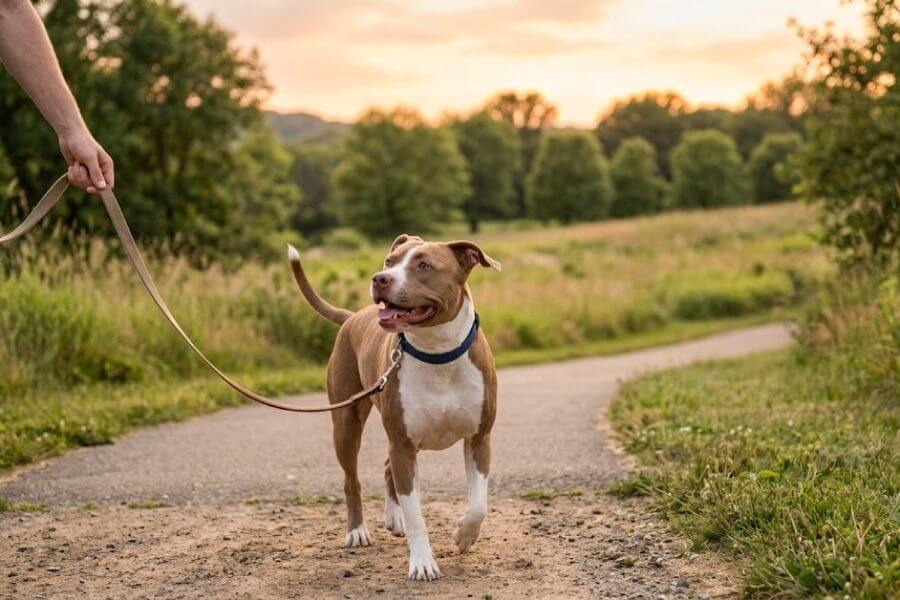
If you have ever spent time online looking at dogs, you have probably run into fierce debates about pit bulls. Some people call them nanny dogs, while others treat them like monsters. With so much loud noise and conflicting information out there, it is easy to get confused about what is real and what is just a scary story. Dog behavior is complex, and relying on rumors can hurt both dogs and the families who love them. This guide breaks down the biggest misunderstandings about pit bulls and dog aggression so you can understand what science and real experts actually say.
Quick Summary of Dog Behavior Myths
| Myth | The Reality |
| Pit bulls have locking jaws | Their jaw structure is exactly the same as other dogs |
| Aggression is purely genetic | Environment, training, and socialization matter most |
| Pit bulls do not give warnings | All dogs show warning signs before they bite |
| They are the most dangerous dogs | Aggression levels depend on individual dog history |
| Once aggressive, always aggressive | Many behavioral issues can be managed or fixed |
How We Ranked These Myths
We chose and ordered these common beliefs based on how often they appear in everyday conversations and how much harm they cause to innocent animals. Here are the key factors we used to build this list.
- Public Safety Impact: We focused on myths that make people misread dog body language, which can lead to accidental bites.
- Scientific Backing: We looked at studies from animal experts and veterinarians to see which myths contradict real science the most.
- Shelter Trends: We prioritized misunderstandings that cause great dogs to get left behind in animal shelters just because of their look.
1. Pit Bulls Have Special Jaws That Lock
The idea that a pit bull can lock its jaw when it bites is a complete physical impossibility. Scientists have studied the skulls and muscles of various dog breeds and found that pit bulls do not possess any special mechanism or bone structure that allows them to lock their mouths shut. When they bite and hold on, it is simply a reflection of their determination and training, not a physical trait. Any dog can hold onto an object tightly if it is motivated, but they can all let go whenever they choose to do so.
2. Certain Breeds Are Born 100 Percent Aggressive
No puppy enters the world hard-wired to hate or attack humans, regardless of its breed background. While genetics can influence a dog’s energy level, drive, and general personality, behavior is heavily shaped by life experiences and upbringing. A dog that is raised with love, kindness, and proper guidance will turn out very differently than a dog raised in a neglectful or abusive home. Blaming genetics alone ignores the massive impact that owners have on how their pets behave every single day.
3. Aggressive Dogs Give No Warning Signs Before A Bite
People often claim that a dog attacked out of nowhere, but dogs almost always communicate their discomfort before taking action. A dog might freeze up, growl, show the whites of its eyes, or tuck its tail long before it ever decides to snap. These signs can be incredibly subtle, which is why busy owners sometimes miss them entirely. When people do not notice a dog’s polite requests for space, the dog feels forced to use a louder signal like a bite to protect itself.
4. Pit Bulls Are The Only Dogs Capable Of Serious Harm
Any large or powerful dog can cause a severe injury if it decides to act out, so focusing entirely on one specific group is a mistake. Breeds like German shepherds, rottweilers, and even large mixed breeds possess strong jaws and heavy bodies that require responsible ownership. Safety is about the size, strength, and training of the individual animal rather than the label on its adoption paperwork. Treating only one breed type as dangerous creates a false sense of security around other large dogs that also need careful supervision.
5. You Can Easily Identify A Pit Bull Just By Looking At It
The term pit bull is actually a general label used for several distinct breeds, including the American staffordshire terrier and the staffordshire bull terrier, as well as many mixed-breed dogs. Studies have shown that even experienced shelter workers and veterinarians are remarkably bad at guessing a dog’s breed based on its physical appearance alone. Many blocky-headed dogs have absolutely no pit bull DNA in them at all when they get a genetic test. This means many dogs are unfairly judged and banned from housing just because they have a square face.
6. An Aggressive Dog Can Never Be Cured Or Managed
Many people believe that once a dog shows signs of aggression, it is broken forever and must be put down. The truth is that many forms of dog aggression stem from fear or pain, both of which can be addressed with professional help. Certified behaviorists can use positive reinforcement training to change how a dog feels about its triggers, turning a reactive pet into a manageable companion. While it takes time, patience, and strict consistency, many dogs go on to live safe and happy lives after receiving the right help.
7. Pit Bulls Were Originally Bred As Nanny Dogs
While it is true that pit bulls can be incredibly loving and gentle with family members, the idea that they were officially created to be babysitters is a modern myth. This myth was started by well-meaning advocates to improve the breed’s reputation, but it can actually be dangerous because it encourages parents to leave young children unsupervised with large pets. No dog of any breed should ever be left alone with small kids, as accidents can happen in the blink of an eye. Pit bulls are strong, athletic animals that require active adult supervision just like any other large canine.
8. A Wagging Tail Always Means A Dog Is Friendly
One of the biggest mistakes dog lovers make is assuming that a wagging tail is an open invitation to pet an unfamiliar animal. Tail wagging simply indicates excitement or emotional arousal, which can be positive or highly negative depending on the situation. A stiff, slow wag that is held high in the air often indicates that a dog is tense, alert, and potentially ready to defend its territory. You have to look at the entire body, including the ears, eyes, and posture, to truly understand what a dog is trying to tell you.
9. Chaining A Dog Up Makes It A Better Guard Dog
Keeping a dog tied to a post or a fence all day actually does the exact opposite of making it a safe protector. Continuous chaining creates intense frustration, boredom, and fear, which are the primary ingredients for dangerous behavioral issues. Dogs are social pack animals that need interaction with their families to learn how to behave appropriately around humans. When they are isolated in a yard, they become hyper-reactive to strangers and are much more likely to bite someone who accidentally steps into their reach.
10. Pit Bulls Feel Less Pain Than Other Breeds
Some people think that pit bulls have numbed nervous systems because they often keep going through rough play or difficult work. Pit bulls have the exact same nervous system and pain receptors as every other dog on the planet, and they feel physical suffering just as acutely as a tiny chihuahua. Their tendency to hide discomfort is a behavioral trait related to their high focus and determination, not a lack of feeling. Assuming they do not feel pain can lead to owners ignoring medical issues or using harsh training methods that hurt the dog.
11. Adopted Shelter Dogs Are More Likely To Be Aggressive
There is a harmful stereotype that animals end up in rescue shelters because they are inherently bad or dangerous. In reality, the vast majority of dogs are surrendered to shelters because of human lifestyle changes, such as moving to a place that bans pets, financial hardships, or a lack of time. Shelter staff put enormous effort into testing the behavior of these dogs before putting them up for adoption to ensure they are safe for families. Many rescue dogs are incredibly grateful, sweet, and eager to please once they get a second chance at a good life.
12. Aggression Is Always A Sign Of A Dog Trying To Be Dominant
For decades, popular media told owners that they needed to be the alpha leader to stop their dogs from acting dominant and aggressive. Modern veterinary science has completely debunked this theory, proving that most aggression is actually driven by fear, anxiety, and a desire for self-defense. When you use harsh punishments to dominate a fearful dog, you only increase its terror and make it more likely to lash out in desperation. Treating dogs with kindness and building their confidence is the real key to solving reactive behavior.
13. Giving A Dog Human Food Causes It To Become Aggressive
Some people believe that feeding a dog table scraps or fresh meat will awaken a wild predator instinct and make it view humans as food. A dog’s diet has no direct connection to behavioral aggression, though poor nutrition can make a dog feel sick and irritable. The only behavioral issue related to food is resource guarding, which happens when a dog gets protective over high-value items because it worries they will be stolen. This can happen with regular dog kibble just as easily as it happens with a piece of cooked chicken.
14. Certain Training Tools Like Shock Collars Easily Fix Aggression
It can be tempting to look for a quick fix when dealing with a growling or lunging dog, but tools that rely on pain often backfire completely. Shock collars and prong collars might stop a dog from barking in the moment, but they do not change the underlying emotion that caused the behavior. In fact, the dog often connects the painful shock with whatever it was looking at, such as a child or another dog, making its hidden hatred even stronger. Positive reinforcement rewards the dog for good choices and creates a safer, long-term behavior change.
Conclusion
Understanding dog behavior requires looking past old urban legends and looking at real science. Pit bulls are strong, energetic individuals that thrive when they are given proper structure, social training, and gentle guidance from their owners. By dropping the myths about locking jaws and natural-born monsters, we can focus on being responsible pet parents. Every single dog deserves to be judged by its own actions and personality rather than the shape of its ears or the rumors about its breed.
Frequently Asked Questions
What should I do if my own dog starts showing signs of reactivity on walks?
You should start by increasing the distance between your dog and its triggers, like other dogs or bicycles, so your pet stays calm enough to learn. Bring high-value treats along and reward your dog the moment it looks at the trigger without growling or barking. It is also wise to schedule a visit with your veterinarian to rule out any hidden medical pain that might be causing the sudden change in mood.
How do breed-specific laws affect communities and local animal shelters?
Laws that ban specific breeds do not actually lower the number of dog bites in a town, but they do place a massive burden on local shelters. These rules force families to give up beloved pets, causing shelters to fill up with healthy, friendly dogs that become very difficult to adopt out. Safe communities focus on enforcing leash laws and punishing reckless owners rather than banning specific canine looks.
Can a dog’s health condition cause it to suddenly act mean?
Yes, sudden changes in behavior are very frequently linked to underlying medical problems like arthritis, ear infections, or dental pain. When a dog is hurting, it cannot tell you with words, so it might growl or snap to keep people from touching the painful area. Always consult a veterinarian before assuming a sudden behavioral shift is a purely psychological training issue.
Why do some small dog breeds seem to bark and snap more often than larger dogs?
Small dogs often display reactive behavior because they feel incredibly vulnerable and threatened by the large world around them. Additionally, owners sometimes tolerate bad behavior from tiny dogs because a small bite seems less dangerous, which means these dogs miss out on vital socialization. Regardless of size, every dog benefits from learning boundaries and building confidence through regular training.
What is the best way to introduce a new dog to my current family pet?
You should always conduct the first meeting in a neutral outdoor location, such as a quiet park, rather than inside your home where your current dog might feel territorial. Keep both dogs on loose leashes and let them take a short walk side-by-side at a safe distance before letting them sniff each other. Keep the initial greetings brief and praise them both for calm, relaxed body language to set them up for a lifetime of friendship.