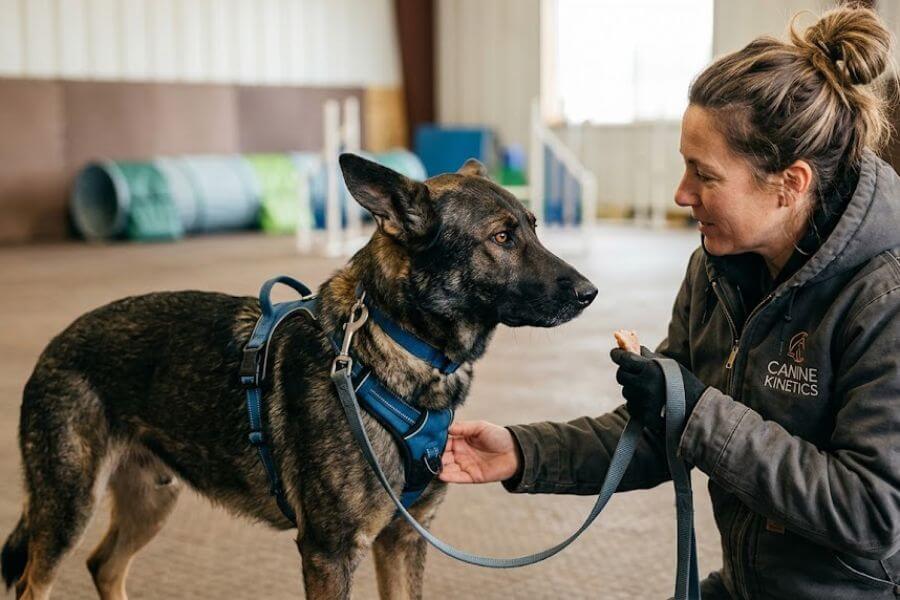
Living with an aggressive dog can feel like walking on eggshells in your own home. Every single walk around the block becomes a stressful mission. You find yourself scanning the horizon for other walkers, stray cats, or delivery trucks. Your heart races whenever the doorbell rings. You love your furry family member deeply, but you are also exhausted, worried, and wondering if things will ever get better.
When you start looking for answers, you will almost certainly run across the idea of a board-and-train program. This is a setup where you send your pup away to live with a professional trainer for a few weeks. The promise sounds like an absolute dream come true. You hand over your unruly, lunging, snapping pet, and a month later, you get back a calm, perfectly behaved companion.
But does this setup actually work when real aggression is involved? Is it worth the heavy price tag, or are you setting yourself up for heartbreak? Let us dive deep into how these programs operate, the unique challenges of treating aggression, and how to figure out if this path is truly right for your family.
Understanding the Basics of Board and Train
To make a good choice, you first need to understand exactly what you are buying. These programs are vastly different from your local weekend puppy class.
What Actually Happens During the Program
In a standard setup, your dog packed up their favorite toys and goes to live at a trainer facility or inside a trainer private home. This stay usually lasts anywhere from two to six weeks. During this time, the professional trainer takes over every single aspect of your pet daily life.
They handle the morning feedings, the potty breaks, the exercise routines, and multiple focused training sessions throughout the day. The core idea is to submerge your pet into a highly structured environment where good choices are constantly rewarded and bad habits are intercepted before they can start.
The Ultimate Goal of Sending Them Away
The main selling point here is speed and expert consistency. Because a professional is managing every interaction, your pup gets hundreds of correct repetitions in a short period. The trainer can read the tiniest shifts in body language that a regular owner might miss. They know exactly when to push forward and when to back off. For a busy owner who works long hours, this removes the intense daily pressure of trying to learn how to be a trainer while simultaneously managing a stressful household.
The Unique Reality of Aggressive Behavior
It is easy to teach a friendly puppy how to sit, stay, or roll over. Dealing with an aggressive adult dog is a completely different ballgame. Aggression is not just a lack of manners. It is an emotional response to the world.
Aggression is Driven by Big Emotions
Dogs rarely act out just to be mean or dominant. Most of the time, barking, lunging, growling, and biting are fueled by deep fear, extreme anxiety, or intense frustration. When a pup feels threatened, their brain enters a fight-or-flight mode. Because they cannot use words to say they are scared, they use their teeth and their loud voices to force the scary thing to go away.
Why Traditional Obedience Fails Here
You cannot simply instruct an anxious pup out of their fear. Teaching a terrified pet to lie down while a stranger approaches does not change the fact that they are terrified of that stranger. If you only focus on stopping the outer behavior without fixing the inner emotion, you are essentially building a pressure cooker. The dog might stay quiet for a little while, but that internal pressure keeps building until they eventually explode. True progress requires a process called counter-conditioning, which slowly changes how the pup actually feels about their triggers.
The Major Benefits for Aggressive Dogs
While treating aggression is incredibly tough, a high-quality board-and-train program can offer some major advantages that you simply cannot get with standard weekly lessons.
A Completely Managed Environment
One of the biggest hurdles in fixing bad behavior at home is that accidents happen constantly. Maybe a neighbor walks by your window unexpectedly, or a stray dog rushes up to your fence. Every time your pet reacts aggressively, that bad habit gets stronger.
At a professional facility, the environment is carefully controlled. There are no sudden surprises. The trainer can design precise scenarios where your pet is exposed to their triggers at a safe distance, ensuring that your pup always stays below their emotional melting point.
Professional Skill and Lightning Fast Timing
Dog training is all about split-second timing. If you reward a pup a second too late, you might accidentally reward the wrong action. Professional trainers have spent thousands of hours perfecting their timing. They can spot the exact moment a dog shoulders stiffen or their eyes lock onto a target, allowing them to redirect the pup before a full-blown explosion happens. This level of skill can kickstart progress much faster than a novice owner could manage at home.
Much Needed Relief for Exhausted Owners
We cannot underestimate the heavy emotional toll of owning a reactive animal. It causes real friction between family members, isolates you from friends, and fills your days with constant anxiety. Sending your pup away for a month gives you a much-needed chance to breathe, sleep soundly, and reset your own stressed nervous system. When your pup returns, you will have the fresh energy required to maintain their new routine.
The Hidden Risks and Downsides
No solution is perfect, and sending an aggressive animal away comes with some very serious risks that could potentially make the problem worse if you are not careful.
The Dangers of Unknown Training Methods
The dog training industry is not strictly regulated. Anyone can buy a website, call themselves an expert, and start taking in clients. Some trainers rely heavily on harsh tools like shock collars, prong collars, or physical corrections to force a dog into submission.
While these tools can stop a behavior instantly through fear, they are incredibly dangerous for aggressive animals. If a fearful pup gets a painful shock every time they look at another dog, they will likely decide that other dogs cause pain. Their underlying hatred and fear of other animals will skyrocket, even if they temporarily stop barking to avoid the punishment.
The Challenge of the Transfer Phase
Dogs are situational learners. This means they are brilliant at figuring out rules in specific places with specific people. Your pup might become an absolute angel for the trainer at their facility. They know the trainer carries high-value treats and enforces strict boundaries.
However, when your pup steps back inside your living room, they look at you and remember all the old rules. If you do not completely alter how you interact with your pup, they will quickly slide right back into their old, dangerous habits. The success of the program depends heavily on your willingness to change your own behavior.
The Stress of a Sudden Environment Change
Taking a fearful, anxious dog and suddenly dropping them off in a strange place with unfamiliar people can cause their stress levels to go through the roof. Some dogs become so overwhelmed by the change that they stop eating, pace constantly, or shut down emotionally. A highly stressed animal cannot learn effectively. If the facility is loud, chaotic, and full of barking dogs, it could traumatize a sensitive pet even further.
What a Truly Good Program Looks Like
If you decide to pursue this route, you must become an investigative reporter to ensure your pet stays safe and gets the right kind of help.
Commitment to Positive Reinforcement
Look for programs that focus heavily on reward-based methods, science-based learning, and force-free techniques. The trainers should explain exactly how they plan to build confidence and teach alternative behaviors, rather than just talking about how they will stop or punish bad actions. They should be proud to show you their facility and explain their daily philosophy.
Deep Transparency and Frequent Updates
You should never send your pet to a place that refuses to let you see where the animals sleep or train. A reputable business will provide regular video updates showing your specific dog learning sessions. You should see your pup tail wagging, body relaxed, and eagerly working for rewards. If a trainer makes excuses about why you cannot see videos or visit, take your business elsewhere immediately.
A Heavy Focus on Owner Education
The best programs spend a massive amount of time training you. They should include multiple mandatory private lessons at the end of the stay, where they coach you through the handling techniques. They should provide written manuals, customized schedules, and offer ongoing support via phone or email for months after your pup comes home. They know that their job is to teach you how to maintain the results.
Evaluating the Financial Investment
There is no getting around it: these programs are incredibly expensive. You are paying for around-the-clock animal care, boarding costs, food management, and multiple hours of highly specialized labor every single day.
Calculating the True Value
Prices often range from a few thousand dollars to significantly more, depending on your location and the length of the stay. To see if it is worth it, contrast that price against the ongoing cost of weekly private lessons, which can take many months or even years to achieve the same baseline. You also have to consider the value of your peace of mind, the safety of your neighborhood, and the potential medical bills if your pup escapes and bites someone.
Red Flags That Signal a Scam
Be highly suspicious of any company that offers a ironclad guarantee. In the world of animal behavior, there is no such thing as a guaranteed fix. Dogs are living, thinking creatures with independent minds, not broken smartphones that can be factory reset. Anyone promising a perfect, permanently cured pet in two weeks is likely using extreme fear tactics to suppress the behavior, or they are simply lying to get your money.
How to Prepare for the Big Return
The day your dog comes home is not the finish line. It is actually the starting line of the next phase of your journey together.
Setting Up Your Home for Long Term Success
Before your pup walks through the front door, you need to create an environment that supports their new habits. This might mean setting up a quiet crate room away from the front window, buying sturdy new walking gear, or setting up baby gates to manage space. You must treat your returning pet like a guest who is still learning the house rules, rather than letting them immediately run wild.
Staying Consistent with the New Routine
If the trainer told you to feed your pet inside their crate, reward them for calm eye contact, and avoid busy parks, you must follow those instructions to the letter. It takes months of consistency for these new pathways in the brain to become permanent. If you let things slide because your pup looks cured, you will see the old aggressive behaviors creep back into your life surprisingly fast.
Alternative Training Options to Consider
If the high cost or the idea of sending your pet away makes you uncomfortable, remember that you have other excellent paths to explore.
Private In-Home Behavior Lessons
Hiring a certified applied animal behaviorist or a positive reinforcement trainer to come directly to your house is a fantastic alternative. This allows the professional to observe the aggression exactly where it happens most. It ensures that you learn how to read body language and handle the triggers from day one. While it takes longer to see big results because the trainer is not doing the daily repetitions, the progress you make is often more stable because it happens in the real world.
Specialized Group Classes for Reactive Dogs
Some advanced training schools offer special small-group classes specifically for dogs that bark and lunge. These are not standard obedience classes. The rooms are set up with visual barriers so the dogs cannot see each other initially, and the entire focus is on teaching the animals how to remain calm in the presence of other dogs. This offers a controlled environment to practice at a fraction of the cost of a full residential stay.
Making the Final Decision for Your Family
At the end of the day, deciding whether to use a board-and-train program comes down to an honest assessment of your lifestyle, your budget, and your specific dog personality.
Assess Your Own Schedule and Abilities
If you are a single parent working two jobs, or if you have physical limitations that make it hard to manage a powerful, lunging animal on walks, a residential program can give you the headstart you desperately need. It handles the heavy lifting when you simply do not have the hours or strength to do it yourself. But if you have plenty of spare time and love the process of learning new skills, doing private lessons might be much more rewarding.
Put Your Dog Well-Being Above Everything Else
Think about your pup core personality. Will staying in a new place cause them to shut down completely from fear? Or are they a resilient, adaptable animal who loves meeting new people and working for food? Your main goal must always be to protect your dog mental health. Choose the path that offers the lowest amount of stress and the highest amount of kindness, safety, and long-term support for both of you.
Frequently Asked Questions
Can a board and train program completely cure my dog aggression?
No program can ever offer a permanent cure for aggression. Aggression is a managed emotional response, not an illness that can be wiped out forever. A high-quality program will give your pet an excellent foundation of self-control, lower their overall stress levels, and give you the practical skills needed to keep them under control. However, management is a lifelong commitment. If your pup is placed into an incredibly stressful situation or if the training routine is completely abandoned at home, the aggressive reactions can definitely return.
How do I know if a trainer will use hidden physical punishment on my dog?
To protect your pet, you must ask specific, direct questions before signing any contract. Ask exactly what happens when your dog makes a mistake or refuses a command. If the trainer uses phrases like balanced training, correction, showing respect, or establishing dominance, they are often using code words for tools like prong, choke, or shock collars. Request a complete tour of the facility, look for cameras that allow you to watch live sessions, and read online reviews carefully to see if other owners reported that their animals returned home acting terrified or shut down.
My dog is only aggressive at our front door. Will sending them away help?
Territorial aggression that happens specifically at your front door or along your property fence line is notoriously difficult to fix away from home. Because dogs are situational learners, your pup might behave beautifully at a training facility because that specific front door holds no meaning for them. When they return to their actual home, the old protective instincts will often instantly fire up again. For highly situational problems like door guarding, hiring a private trainer to work directly inside your living room is usually a much wiser use of your money.
What should I do if my dog behavior gets worse after they return home?
If your pup behavior takes a turn for the worse after they return, contact the training company immediately. A reputable business will want to know about this and should offer a follow-up lesson to see where the communication is breaking down. Check yourself to ensure you are following the post-program instructions perfectly without cutting corners. If you discover that the trainer used harsh methods that damaged your pup trust, stop working with them immediately and consult with a veterinary behaviorist who specializes in force-free rehabilitation.