Quick Summary Table
| Bond Building Method | Core Focus | Daily Time Commitment | Primary Benefit |
| Consistent Structure | Rules and boundaries | 24/7 integration | Builds trust and deep security |
| Task-Oriented Training | Working with a job | 15 to 30 minutes | Boosts focus and respect |
| Controlled Socializing | Shared new experiences | 20 to 40 minutes | Strengthens team connection |
| Mind and Body Games | Interactive play | 15 to 20 minutes | Lowers stress and builds joy |
| Quiet Calm Time | Relaxing body contact | 30+ minutes | Creates a peaceful connection |
How We Ranked These
We chose these five methods based on how the mind of a working guard dog operates. A strong connection with a large, powerful dog comes from trust, mutual respect, and clear communication. Here are the key factors we used to rank these bonding activities:
- Safety and Trust: The activity must make your giant dog feel safe and secure under your guidance.
- Mental Reward: The method must challenge their brain, not just drain their physical energy.
- Natural Instincts: The choice must match what this specific breed was born to do, such as protecting, working, and staying close to their human family.
- Daily Ease: You must be able to do these activities every single day without needing special or expensive gear.
1. Create a Clear and Consistent Daily Structure
A big guard dog loves to know exactly what will happen next. When you create a solid routine, you tell your dog that you are a dependable leader. This breed is highly intelligent, and they constantly watch your behavior. If your rules change every day, your dog will feel confused and stressed. A stressed dog cannot form a deep, loving bond with its owner.
Start by setting fixed times for food, walks, and rest. Feed your companion at the exact same hours each day. When they know food arrives at a specific time, they stop worrying about their resources. This makes them look at you as a provider they can completely trust.
Structure also means setting house rules that never change. If your dog is not allowed on the sofa today, they must not be allowed on the sofa tomorrow. If you let them cross the line when you are tired, you break the pattern of trust. Your dog needs to know that your words and rules are solid like a rock.
When your large companion understands the house boundaries, they can fully relax. They do not have to guess what you want from them. This calm state of mind opens their heart to a closer relationship with you. They will naturally want to follow you from room to room because you represent safety, order, and peace.
2. Practice Task-Oriented Training Every Day
This breed is a working dog through and through. They were born to have a job, and they feel empty if they just sit around the house all day. Training should not feel like a punishment. Instead, look at training as a beautiful conversation between you and your best friend.
Spend fifteen to thirty minutes every single day teaching new skills or practicing old ones. Move beyond basic commands like sit or stay. Teach your dog to clear away their own toys, carry a lightweight backpack on walks, or hold a stay command while you hide a ball in the yard. Give them a clear task to finish.
When you train together, your dog has to focus entirely on your body language and tone of voice. This intense focus creates a strong mental link between the two of you. Your dog learns to read your tiny movements, and you learn to read theirs.
Always use positive rewards like high-quality treats, verbal praise, and fun toys. When your dog finishes a task correctly, celebrate their success with genuine joy. This creates a powerful connection in your dog’s brain. They will start to view you as the source of all the best things in life. They will work hard to please you because the work itself becomes a highly rewarding game that you play together.
3. Go on Controlled Socializing Adventures
True bonding does not only happen inside your living room. You need to take your big companion out into the world to face new sights, sounds, and smells as a team. This breed can be naturally distant or suspicious around strangers and unfamiliar animals. By guiding them safely through new places, you become their ultimate protector and anchor.
Take your dog to different neighborhoods, walk near quiet shopping areas, or stroll along a new trail. The secret here is control. Do not throw your dog into crowded, chaotic places where they might feel overwhelmed. Keep a safe distance from triggers like loud trucks, screaming children, or barking stray dogs.
When your dog looks at a strange object and then looks back at you, reward them immediately. Show them that as long as they are with you, nothing bad will happen. You are teaching your companion that you can handle any situation.
This shared experience builds an unbreakable team mentality. Your dog will start to look at you for direction whenever they feel unsure about the world. Instead of reacting with fear or anger, they will trust your judgment. Surviving and enjoying new experiences together cements your position as their trusted partner for life.
4. Play Mind and Body Games Together
Exercise is great, but simply tossing a ball across a field while you look at your phone will not build a deep bond. You need to be an active part of the play. Interactive games require both physical energy and brain power from you and your dog.
One of the best games for a working breed is a structured game of tug-of-war. Many people worry that this game makes a big dog aggressive, but that is simply not true if you use strict rules. Use the game to teach control. Your dog must wait for a specific command before they grab the toy. They must also drop the toy instantly when you ask them to.
Another excellent option is a scent tracking game. Hide a piece of smelly food in another room and tell your dog to find it. Encourage them as they use their powerful nose to hunt down the prize.
When you play these games, you become the fun director. You are not just a spectator who watches them run around. You are the teammate who makes the game happen. This type of play releases happy chemicals in your dog’s brain, and those positive feelings will be directly connected to your presence.
5. Enjoy Quiet Calm Time and Body Contact
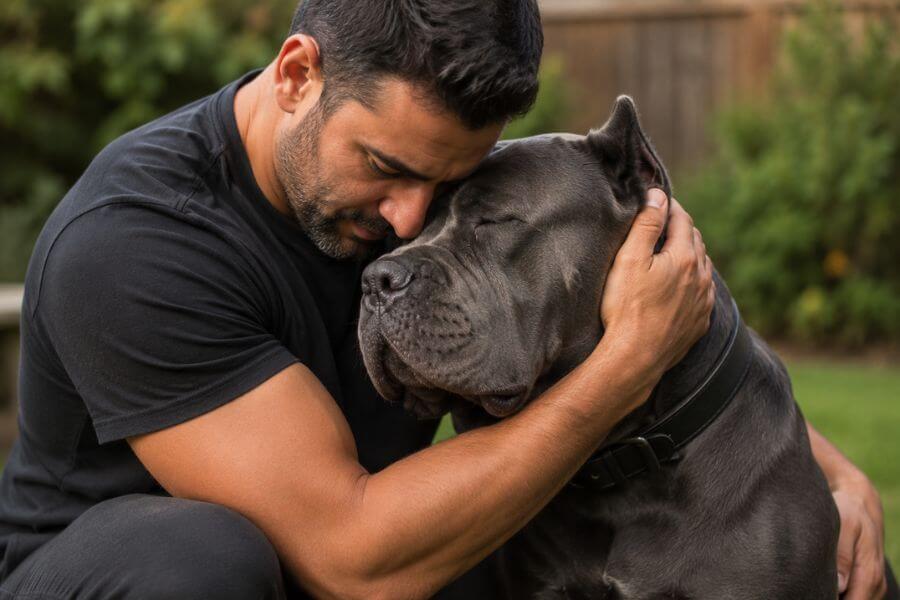
After a long day of structured routines, task-oriented training, outdoor adventures, and mind games, your dog needs to learn how to turn off their high energy. This breed is famous for being incredibly loyal and affectionate with their chosen family members, often acting like a giant lap dog despite their massive size.
Dedicate time every evening to just sit quietly with your companion. You can sit on the floor next to their bed or invite them close to you if your house rules allow it. Lean against each other. This physical weight sharing is a huge sign of affection and trust in the canine world.
Gently massage their muscles, brush their short coat, or rub their ears. Pay attention to how your dog responds. Watch for relaxed eyes, slow breathing, and soft sighs. This slow, physical touch lowers blood pressure and stress levels for both you and your canine friend.
This quiet time teaches your dog that they do not always need to be working or protecting when they are with you. They can let down their guard completely. It builds a soft, gentle layer of love beneath their tough exterior, ensuring that your bond is built on comfort just as much as respect.
Frequently Asked Questions
How can I tell if my dog actually trusts me as their leader?
A dog that trusts you completely will show specific signs in their daily behavior. They will look you in the eyes with soft, relaxed expressions rather than hard, tense stares. When a strange noise happens outside, a trusting dog will look at you first to see your reaction before they decide to bark or growl. They will also happily sleep near your feet or lean their heavy body against your legs, which shows they feel totally safe and relaxed in your presence.
What should I do if my dog ignores my commands during bonding sessions?
If your dog ignores you, it usually means the activity is too difficult, the environment has too many distractions, or they do not find the reward valuable enough. Do not get angry or raise your voice, as this will damage your connection. Move to a quieter room with zero distractions and use better treats like fresh chicken or beef. Shorten your training sessions to just three or five minutes so your dog can finish with a successful win, which keeps their focus on you positive.
Is it possible to build a deep connection with an adult dog that I just adopted?
Yes, you can absolutely form an incredible bond with an adult dog, though it might take more time and patience than working with a young puppy. Adult dogs often carry emotional baggage or old habits from their past lives. You can win their heart by being completely predictable, gentle, and fair. Stick to a strict daily schedule so they learn that their new life is safe, and use plenty of positive rewards to show them that you are a safe friend.
Why does my dog seem more attached to my spouse even though I do all the feeding?
Dogs do not always bond deepest with the person who hands them their food bowl. They often choose the family member who provides the most clear direction, calm energy, and exciting mental stimulation. If your spouse plays interactive games or stays very calm and confident during walks, the dog will naturally move toward that energy. To fix this, take over the daily training sessions, go on one-on-one walks, and be the exclusive provider of their favorite high-value toys.
Can too much bonding time cause my dog to suffer from separation anxiety?
Building a deep relationship does not mean you should spend every single second together. This breed can become overly protective or anxious if they feel they must never leave your side. You must teach your dog how to be confident when they are alone. Practice leaving them in a comfortable crate or a separate room with a fun chew toy for short periods every day. True bonding includes teaching your dog the confidence to relax alone, knowing that you will always return to them.