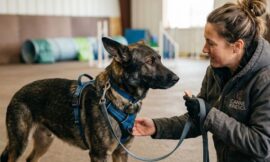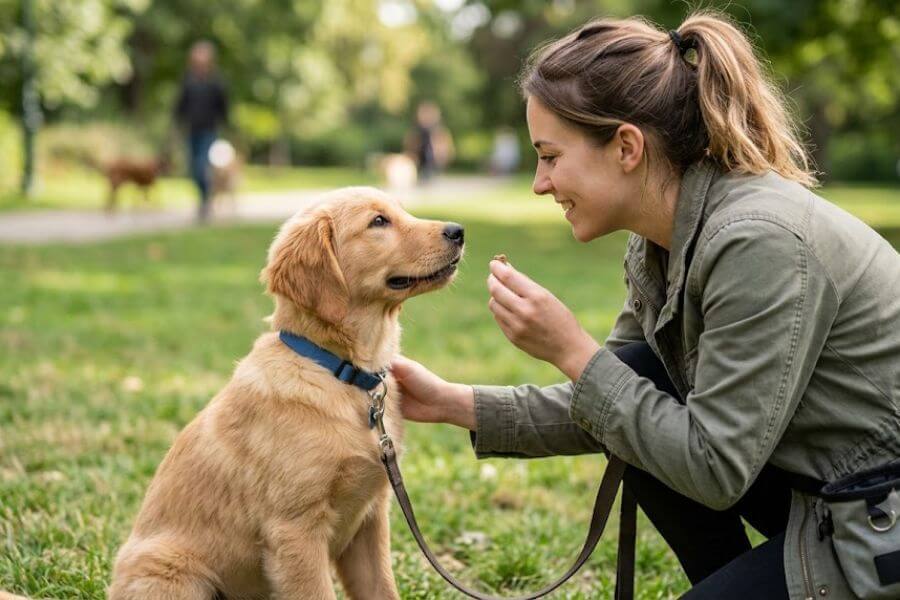
Welcoming a dog into your life brings endless joy, warm cuddles, and plenty of funny moments. However, it also comes with a few challenges. Maybe your new puppy thinks your favorite shoes are chew toys, or perhaps your older dog barks like crazy every time the mail carrier walks by. You might feel a bit overwhelmed, and that is completely normal. Every dog owner goes through moments where they need a helping hand.
That is where a professional dog trainer comes into the picture. A great trainer does not just teach your dog how to sit or stay. They teach you how to understand your dog, build a strong bond, and create a peaceful home. But if you open a web browser and search for trainers near you, you will likely find hundreds of options. How do you know which person is the perfect match for your unique pup?
Choosing a trainer is a big decision that requires some research. You want someone who uses safe methods, understands dog behavior, and makes learning fun for both you and your pet. This guide will walk you through the entire process step by step, so you can feel confident choosing the right professional near you.
Why Professional Training Matters for Every Pup
Some people think that dog training is only for dogs with serious behavior problems. They might imagine that only aggressive dogs or highly energetic working dogs need to see a professional. In reality, every single dog can benefit from structured learning. Training is about communication. It gives you and your dog a common language so you can understand each other.
When you invest time in training, you prevent behavior problems before they even start. A puppy who learns good manners early on is much less likely to develop destructive habits later in life. For older dogs, training keeps their brains active and sharp. It is also an amazing way to burn off extra energy and keep them from getting bored.
Most importantly, working with a professional builds trust. When your dog knows what you expect from them and receives rewards for doing the right thing, they feel safe and secure. A happy, confident dog is a well-behaved dog. By finding the right guide, you are setting your entire household up for a lifetime of harmony.
The Different Types of Dog Training Services Available
Before you start calling local trainers, you need to know what kind of service fits your lifestyle and your dog’s needs. Trainers offer several different setups, and each one has its own set of benefits. Understanding these options will help you narrow down your search.
Group Training Classes
Group classes are a popular choice for many pet parents, especially those with young puppies. In a group class, you and your dog will head to a local training center, park, or pet store once a week. You will be in a room with several other dogs and their owners, all learning the same skills at the same time.
- Socialization Opportunities: Group classes are perfect for teaching your dog how to focus on you when there are other people and dogs around. This helps them learn to stay calm in busy public places.
- Affordability: Because the trainer is working with multiple families at once, group classes are usually more budget-friendly than other options.
- Fun Environment: You get to meet other dog lovers in your neighborhood, share stories, and watch other dogs learn alongside yours.
Private At-Home Training
If your dog gets overly excited or scared around other animals, a group class might be too stressful. That is where private at-home training shines. With this option, the professional trainer comes directly to your house or meets you at a quiet local park for one-on-one sessions.
- Customized Attention: The trainer focuses entirely on you and your dog. They can customize the lesson plan to fix the exact issues you are facing in your home, like jumping on guests or barking at the window.
- Convenience: You do not have to pack up your dog and drive across town. The training happens on your schedule, right in your living room or backyard.
- Real-Life Practice: Training in the place where the behavior problems actually happen makes it much easier to solve them.
Board-and-Train Programs
Board-and-train programs are often called doggy boot camps. With this setup, your dog goes to live with the trainer at their facility or home for a few weeks. During that time, the professional handles the daily training sessions, exercises your dog, and teaches them core manners.
- Fast Results: Because professionals are working with your dog multiple times a day, dogs often pick up new skills very quickly.
- Convenience for Busy Owners: If you have a packed work schedule or are going on a vacation, this option takes the daily training workload off your shoulders.
- The Follow-Up Requirement: It is vital to remember that you still have to learn how to maintain the training once your dog comes home. A good board-and-train program always includes transition lessons for the owner.
Day Training Services
Day training is a middle ground between private lessons and board-and-train. You drop your dog off at a training facility in the morning, or the trainer comes to your house while you are at work. The trainer spends an hour or two working with your dog, and then you take over in the evening.
- Saves Your Time: The professional does the heavy lifting of teaching the new behaviors during the day.
- Less Stressful: Your dog still gets to sleep in their own bed every night, which is great for sensitive or anxious pets.
- Regular Updates: Trainers usually provide daily progress reports so you know exactly what your pup learned that day.
| Training Type | Best For | Main Benefit | Price Range |
| Group Classes | Socialization, basic manners, friendly puppies | Lower cost, distraction training | Budget-friendly |
| Private Lessons | Specific behavior issues, anxious dogs, busy schedules | Personalized care, highly convenient | Moderate to high |
| Board-and-Train | Intensive training, busy owners, fast results | Professional does the daily work | Expensive |
| Day Training | Working owners, basic skill building | Saves time, low stress for the dog | Moderate |
Decoding Dog Training Methods and Philosophies
As you look at different training websites, you will see a lot of terms describing how people teach dogs. It can feel like learning a whole new language. It is incredibly important to understand these methods because how a trainer treats your dog will affect your dog’s personality and trust.
Positive Reinforcement Training
This is the most widely recommended method by modern veterinarians and animal behavior scientists. Positive reinforcement focuses on rewarding your dog for doing the right thing, rather than punishing them for making a mistake.
When your dog sits on command, you give them a tasty treat, a favorite toy, or lots of praise. Because the dog connects the sitting action with a wonderful reward, they want to do it again and again. This method builds a confident, happy dog who loves to learn. It builds a relationship based on cooperation and trust, rather than fear or worry.
Clicker Training
Clicker training is a popular form of positive reinforcement. Trainers use a small plastic device that makes a sharp, distinct click sound when pressed. The trainer clicks the exact second the dog does the correct behavior, and then follows up with a treat.
The click tells the dog exactly what they did right. For example, if you are teaching your dog to lie down, you click the moment their belly touches the floor. It takes the guesswork out of learning for the pup, making the process much faster.
Balanced Training
Trainers who call themselves balanced use a mix of rewards and corrections. They might use treats to teach a dog a new skill, but they will also use physical corrections, special collars, or verbal reprimands if the dog disobeys a command.
While this can sometimes produce fast results, many modern professionals warn against it. Using physical force or fear can cause a dog to become anxious, protective, or shut down completely. If a dog stops a bad behavior just because they are afraid of getting hurt, the underlying emotional issue is not actually fixed.
Relationship-Based Training
This approach focuses heavily on the deep connection between you and your canine companion. It combines positive reinforcement with a deep understanding of dog body language and emotional needs.
Instead of just looking at what the dog is doing, the trainer asks why the dog is doing it. Are they barking because they are angry, or because they are terrified? By figuring out the root cause of the behavior, you can solve the problem in a gentle, lasting way.
Essential Red Flags to Watch Out For
When searching for a local professional, you should trust your gut feelings and look closely at how they market their services. Sadly, the dog training industry is not tightly regulated in many places, which means anyone can buy a leash, make a website, and call themselves a dog trainer. You need to be a careful consumer to protect your pet.
Guarantees of Perfect Behavior
If a trainer promises that they can permanently fix your dog’s behavior in a specific number of days, run the other way. Animals are living, breathing creatures with minds of their own. They are not programmable robots.
No honest, professional trainer can guarantee a perfect result because they cannot control every single situation your dog will encounter. True training takes time, practice, and consistency from the owner. A great trainer promises to give you the skills and support you need, but they will never guarantee a flawless pet.
Use of Harsh Physical Punishment
Avoid any trainer who suggests using physical pain, fear, or heavy pressure to dominate your dog. This includes techniques like pinning a dog to the ground, hitting them, or using heavy collar corrections that cause choking.
These old-fashioned methods can destroy your dog’s trust in humans and can actually cause a fearful dog to bite out of self-defense. Training should never hurt, and it should never make your dog tremble with fear.
Refusal to Let You Watch
An open and honest professional will always welcome your presence. If a trainer refuses to let you watch a group class before signing up, or if they will not show you where your dog will stay during a board-and-train program, that is a massive red flag.
You have every right to see how your dog is being treated and what methods are being used. If a facility hides their training sessions behind closed doors, it is best to look elsewhere.
Lack of Questions About Your Dog
A good trainer will want to know everything about your dog before they even start a session. They should ask about your dog’s health history, daily routine, diet, fears, and favorite things.
If a trainer tries to sell you a standard, cookie-cutter training package without asking a single question about your dog’s specific personality or background, they probably do not offer the personalized care your dog deserves.
How to Check Certifications and Qualifications
Because anyone can call themselves a trainer, looking for official certifications is a wonderful way to separate the true professionals from the amateurs. Certified trainers have spent hundreds of hours studying animal learning science, passing difficult tests, and practicing their skills.
Here are a few well-respected organizations to look for when researching a trainer’s credentials:
Certification Council for Professional Dog Trainers (CCPDT)
This is one of the most famous independent certifying organizations in the world. Trainers who hold these credentials have met strict requirements for hands-on experience and have passed a comprehensive, science-based exam.
- CPDT-KA (Certified Professional Dog Trainer-Knowledge Assessed): This means the trainer has vast knowledge of dog training science, husbandry, and safety.
- CPDT-KSA (Certified Professional Dog Trainer-Knowledge and Skills Assessed): This higher level means the trainer has also passed a practical exam showing their actual training skills on video.
International Association of Animal Behavior Consultants (IAABC)
If your dog is dealing with deeper emotional struggles like severe separation anxiety, resource guarding, or fear-based reactivity, you want to look for someone certified by the IAABC.
- CDBC (Certified Dog Behavior Consultant): These professionals specialize in complex behavior issues. They understand the deep psychology behind why dogs act out and how to change those emotions safely.
Karen Pryor Academy (KPA)
The Karen Pryor Academy is famous for teaching high-level positive reinforcement and clicker training.
- KPA CTP (Karen Pryor Academy Certified Training Partner): A trainer with this title is an expert in using force-free marker training. They are highly skilled at breaking down complex behaviors into simple steps that are fun for the dog to learn.
Step-by-Step Guide to Researching Local Trainers
Now that you know what to look for and what to avoid, it is time to start your local search. Following a clear, organized process will keep you from feeling overwhelmed and ensure you find the best match near your neighborhood.
Step One: Start with Trusted Referrals
The best way to find a great professional is to ask people you already trust. Start by talking to your veterinarian. Vets see hundreds of local dogs and know which trainers get great results using safe, healthy methods.
You can also ask local pet supply stores, dog groomers, or friends and neighbors who have well-mannered dogs. Word-of-mouth recommendations are incredibly valuable because you get a real, honest review from someone who has used the service.
Step Two: Dig Into Online Reviews
Once you have a list of three to five local trainers, visit their websites and read their online reviews on sites like Google and Yelp. Do not just look at the overall star rating. Read the actual stories people write.
- Look for reviews from people who had dogs with similar issues to yours.
- Notice how the trainer responds to reviews, especially less-than-perfect ones. A polite, professional response shows great customer service.
- Watch out for reviews that sound fake or overly repetitive. Look for detailed, genuine stories from local pet parents.
Step Three: Review Their Website and Social Media Pages
A trainer’s online presence can tell you a lot about their training philosophy. Look at the videos and photos they post on Facebook or Instagram.
- Do the dogs in the videos look happy, wagging their tails and eager to work? Or do they look stiff, scared, and tucked away?
- Does the trainer explain things in a helpful way that is easy to understand?
- Is their website clear about their training methods, pricing, and policies?
Step Four: Conduct an Interview
Before handing over your money or your dog, call or email the trainer to ask a few important questions. A true professional will be happy to chat with you and answer your questions. Here is a list of excellent questions to ask during your interview:
- What specific training methods and tools do you use?
- What happens to my dog if they make a mistake during a session?
- Can you provide references from past clients or local veterinarians?
- How do you keep dogs safe during group sessions or board-and-train stays?
- What kind of education or continuing classes do you take to keep your skills sharp?
What to Expect During Your First Training Session
The first official meeting with a professional dog trainer is usually called an initial consultation. This session is a bit different from a regular training class, as it is all about getting to know each other and building a custom plan.
The Information-Gathering Stage
The trainer will likely start by sitting down with you to talk. They will want to hear all about your dog’s history, their personality, and your top goals. Be completely honest during this conversation.
If your dog has ever nipped someone, or if they bark uncontrollably at the fence, tell the trainer. They are not there to judge you. They are there to help you, and knowing the full truth is the only way they can build a safe and effective plan.
The Evaluation Stage
Next, the trainer will observe your dog’s behavior. They might watch how your dog walks on a leash, how they react to new noises, or how they interact with you.
The trainer will look closely at your dog’s body language. They will look for subtle signs of stress or happiness, such as ear position, tail posture, and lip licking. This helps the trainer understand how your dog feels about the world around them.
Setting Realistic Goals and Homework
By the end of the first session, the trainer should give you a clear outline of the plan moving forward. They will explain what skills you will work on first and how many sessions they recommend.
You will also get your very first round of homework. Remember, training does not end when the professional leaves. You will need to practice the steps they show you for a few minutes every single day to get the best results.
The Crucial Role of the Owner in Dog Training
It is a common misconception that you can just hand your dog over to a professional and have them come back perfectly trained forever. The truth is that dog training is mostly about training the human. The professional is there to teach you how to communicate with your pet.
Dogs are situational learners. This means they learn how to behave based on who they are with and where they are. If your dog learns to listen beautifully to the trainer, but you do not use the same commands, rewards, and body language at home, your dog will quickly realize they do not have to listen to you.
Consistency is the secret ingredient to success. Every member of your family needs to be on the same page. If mom says the dog is not allowed on the couch, but the kids let the dog snuggle on the cushions when mom is away, the dog will get confused. By working together as a team and practicing your trainer’s instructions daily, you will see amazing progress in no time.
Frequently Asked Questions
How old does my puppy need to be before we start working with a professional dog trainer?
You can actually start training your puppy the very day you bring them home. Simple training like learning their name, potty training, and crate training can start right away at eight weeks old. For formal group classes, many trainers offer special puppy socialization classes for pups who have received their first round of vaccinations, which is usually around eight to ten weeks of age. Starting early helps prevent bad habits from forming.
My dog is already eight years old and set in their ways. Is it too late to hire a trainer?
It is absolutely never too late to train a dog. The old saying that you cannot teach an old dog new tricks is completely false. Older dogs love the mental exercise that comes with training, and it can actually keep their minds sharp as they age. While it might take a little longer to change a habit that a dog has practiced for years, older dogs often have longer attention spans than silly puppies, which makes them wonderful students.
What should I do if my dog is extremely aggressive or fearful around other animals?
If your dog shows signs of aggression, such as growling, lunging, snapping, or showing teeth, you should avoid group classes completely. Instead, reach out to a professional who specializes in behavior modification, such as a Certified Dog Behavior Consultant (CDBC). They will work with you in a private setting to keep everyone safe while helping your dog feel more secure and relaxed around their triggers.
How much does it typically cost to hire a professional dog trainer near me?
The cost of training varies wildly depending on where you live, the type of service you choose, and the trainer’s level of experience. Group classes are usually the most budget-friendly option, often ranging from one hundred to three hundred dollars for a multi-week course. Private in-home lessons generally cost more per hour because of the personalized attention and travel time. Board-and-train programs are the most expensive option, often costing several thousand dollars due to the around-the-clock care provided.
What kind of treats or equipment should I bring to our first training session?
Every trainer has their own specific preferences, but it is always a smart idea to bring an abundance of very small, high-value treats. Think of things your dog rarely gets at home, like tiny pieces of roasted chicken, hot dogs, or freeze-dried cheese. You should also dress in comfortable clothes and shoes, and equip your dog with a standard flat collar or a front-clip harness along with a sturdy six-foot nylon leash. Avoid using retractable leashes, as they make it difficult to maintain good control during a lesson.